How Leaving Turkmenistan Helped Concert Pianist Maya Tuylieva Find Home Through Music
After moving to the United States, concert pianist Maya Tuylieva found that music could bridge distance, identity and home.
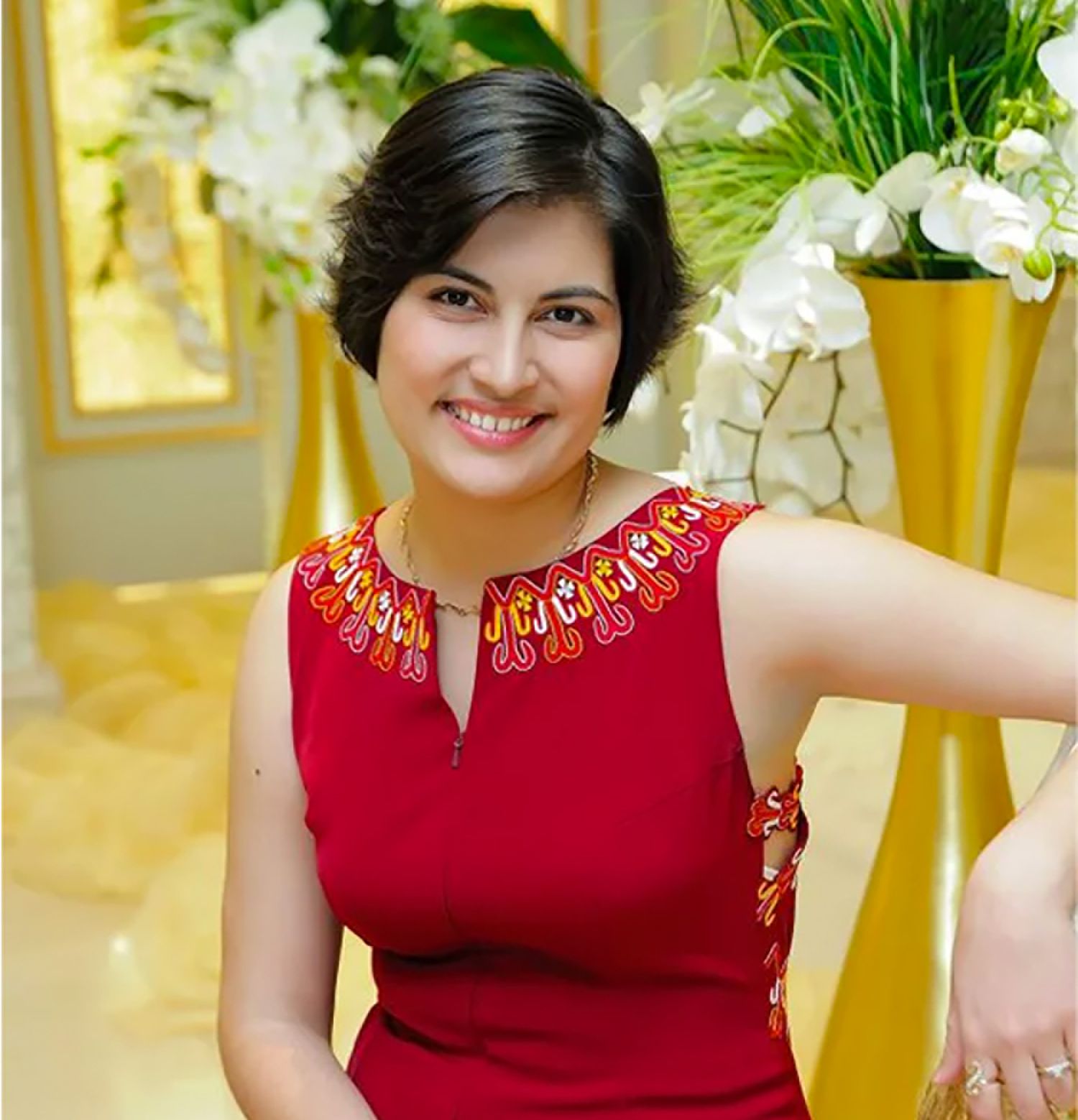
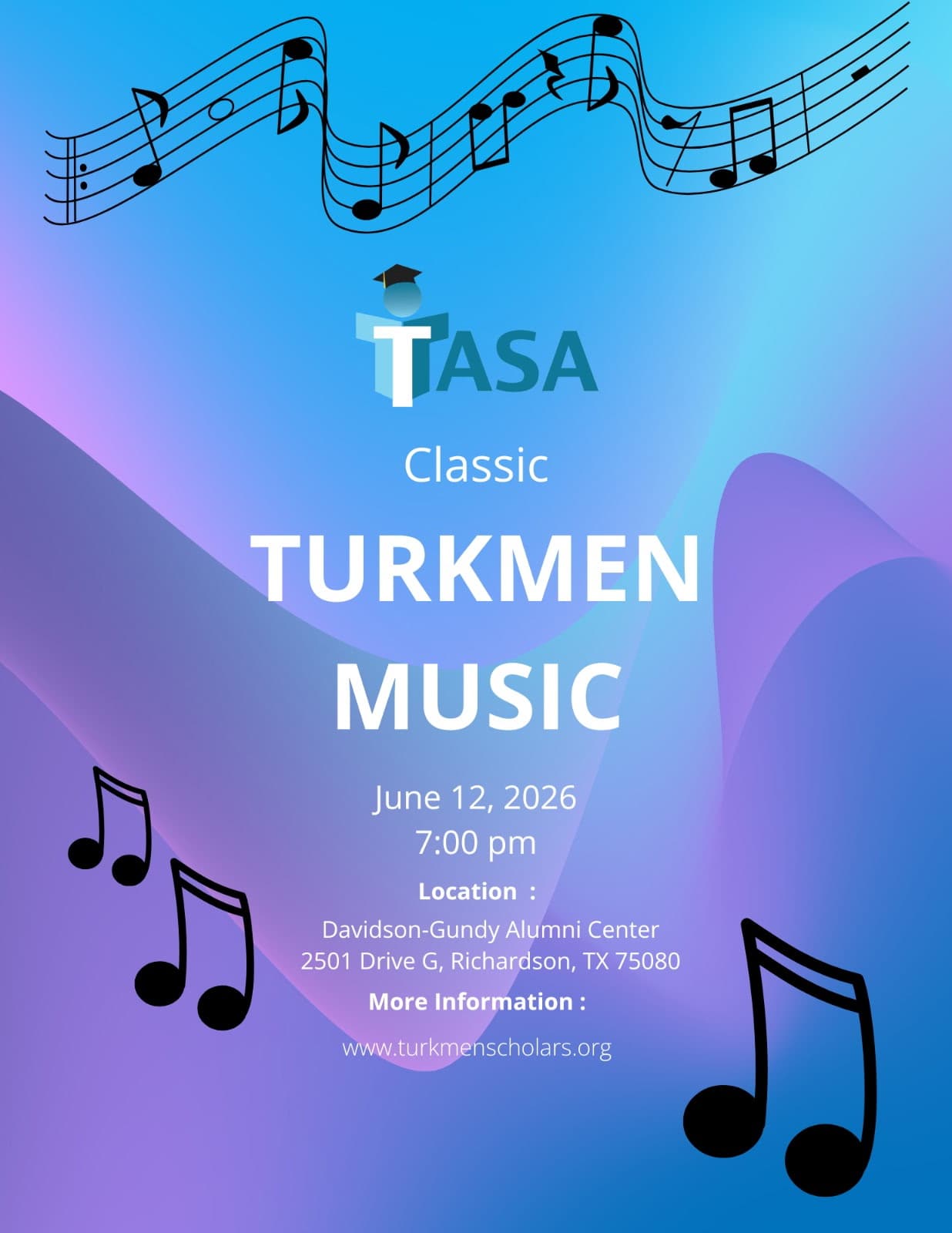
After moving to the United States in 2001, pianist Maya Tuylieva found that music could communicate what words often could not. She will perform at TASA's Classic Turkmen Music concert on June 12 in Richardson, Texas. Photo courtesy of Maya Tuylieva
Summary: Ahead of TASA's Classic Turkmen Music concert on June 12, 2026, in Richardson, Texas, Maya Tuylieva reflects on migration, music, her father, Honored Artist of Turkmenistan composer Suhan Tuyliev, and how distance from Turkmenistan reshaped her understanding of home.
For concert pianist Maya Tuylieva, leaving Turkmenistan transformed her understanding of home. Born into a family deeply rooted in music and education, she grew up listening to Western classical masters while learning about Turkmen poetry, history and culture from her father, Honored Artist of Turkmenistan composer Suhan Tuyliev. Yet it was only after moving to the United States in 2001 that she began to see those influences differently.
Faced with language barriers and questions about where she came from, Tuylieva discovered that music could communicate things words often could not. It became a way to connect with audiences, carry memories of home and share Turkmenistan with people who had never heard of it before.
Ahead of her appearance at the Classic Turkmen Music concert ahead of the Turkmen American Scholars Association Symposium on June 12 in Richardson, Texas, Tuylieva spoke with Edgu Bilig about identity, belonging and the power of music to bridge cultures.
You've said it was only after moving to the United States that you began thinking more deeply about Turkmen music. Why do you think distance had that effect?
When I got to the United States, my English was not so great. I had trouble understanding people, I had trouble explaining myself, and my first year was very difficult. But I noticed that when I played music, people would relate—especially if I played Turkmen music.
It became something I could use to connect with people right away, but it also connected me back home. It became a portal and portable thing where it carried memories from home somehow. The move taught me that my home can exist in more ways than just location. Now I feel rooted in both places. Turkmenistan will always remain in my heart, but the United States gave me opportunities to grow as an artist and as a person.
Your father, Suhan Tuyliev, is a composer, educator and scholar of Turkmen music. How did growing up in that environment shape your relationship with music?
My father was surrounded by musicians, poets and artists, and education was very important in our family. He would bring home recordings of Mozart symphonies and opera performances and gather us around to listen. He didn't want us to just hear the music—he wanted us to understand what was happening in it.
He also introduced us to Turkmen poetry and literature. Sometimes he would take an older Turkmen poem from Magtymguly and explain each word, each line and the historical background behind it. Looking back, music, culture and education were never separate things in our house. They were all connected, and that shaped the way I think about music today.
What aspects of your identity became more visible to you after leaving Turkmenistan?
Almost everything.
When you're immersed in a culture, it becomes everyday life. Then I came to the United States and realized that things I never thought about were suddenly fascinating to other people. How we eat on the floor, that's interesting. How we sleep on the floor, that's interesting. How we don't wear shoes in the house, that's interesting.
I started asking myself why those things mattered so much to me. The floor is very sacred to us. We eat on the floor, we sleep on the floor, and we keep it clean. Explaining those customs to other people made me understand them more deeply myself. In many ways, leaving home helped me better understand what home actually meant.
You've said that music gave you a way of explaining without words. What can music communicate that words cannot?
Because there are no words, I'm not imposing my thoughts on people. They can fill in the blanks.
I might describe a landscape, a memory or a feeling, but everybody has their own experiences in life. Whatever the music evokes in other people becomes theirs. It becomes their truth.
That's why music connects in a different way. I'm not telling people what to think. I'm creating something and allowing them to bring their own memories, emotions and experiences to it.
.JPG&w=3840&q=75)
Through performances and programs such as East Meets West, at Carnegie Hall in April of 2022, Tuylieva and Seitz have introduced audiences to composers including Tuylieva's father, Suhan Tuyliev, and Azerbaijani composer Fikret Amirov alongside familiar names from the Western classical tradition. Photo courtesy of Mithru Vigneshwara
Through Duo Kaspiana, you and violinist Diana Seitz bring together musical traditions from across the Caspian region. What drew you to that collaboration?
Diana and I connected immediately. We met in Kansas and were kindred spirits right away. We understood each other because we came from similar musical backgrounds and had similar training.
In that first meeting, we started talking about all of this interesting music from our part of the world. We said it would be amazing if we could create a duo and play this repertoire at Carnegie Hall. We were just talking, but eventually all of that came true.
One of our Carnegie Hall programs was called East Meets West. We paired works by composers such as Brahms and Tchaikovsky with music by Azerbaijani composer Fikret Amirov and my father, Suhan Tuyliev. We wanted audiences to hear those works side by side and discover connections they might not expect.
What do you hope audiences take away from your performance at TASA's Classic Turkmen Music concert?
I hope they leave curious, but more importantly, I hope they leave with a feeling.
Recently, after a concert in Philadelphia, a woman came up to me and described seeing fields of tulips, mountains in the background and wind moving through the landscape. I hadn't told her any of that. I had only given her a small description before the performance.
That's the biggest gift a listener can give me. She saw the picture of Turkmenistan from Philadelphia. In a way, Turkmenistan came to Philadelphia for a little bit through the portal of music. If audiences experience something similar, then the music has done its job.
See Maya Tuylieva and Diana Seitz perform at TASA's Classic Turkmen Music concert in Richardson, Texas, on June 12. Order tickets online here.
More from