Nauryz Cultural Festival 2026 Marks a Turning Point for Houston’s Kazakh Community
Houston’s Kazakh community draws 1,000 to its largest Nauryz festival, expanding beyond diaspora audiences.
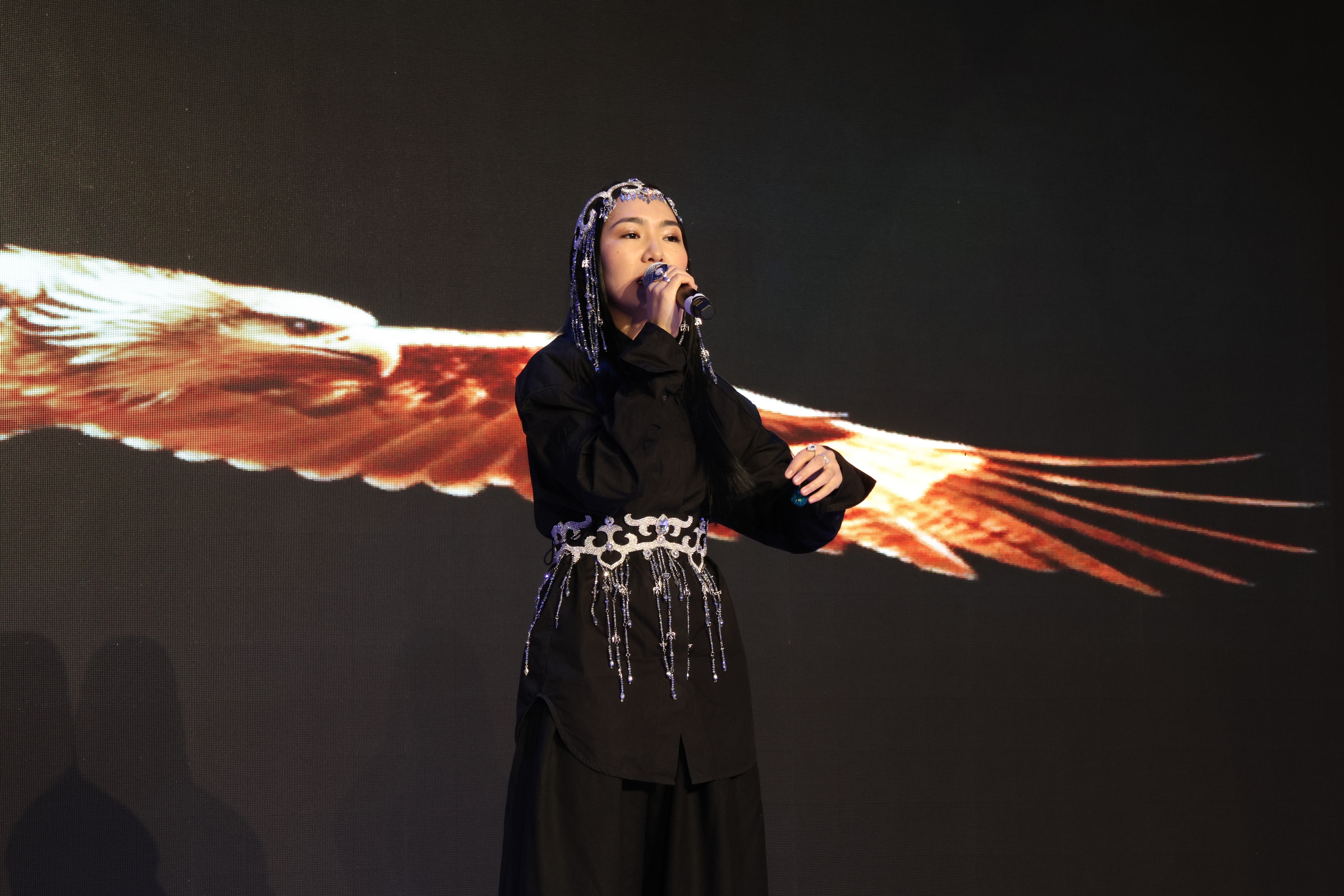
Emerging singer Yenlik takes the stage during Nauryz Cultural Festival 2026 in Houston, where nearly 1,000 attendees gathered to celebrate Kazakh culture and community.
Summary: Nauryz Fest 2026 brought together attendees from 10 states and 50 cities in Houston, marking the Texas Qazaq Foundation’s largest event to date. Featuring international artists, traditional food and broad community participation, the festival reflects a growing shift—from a diaspora gathering to a cross-cultural platform that strengthens identity while expanding its reach beyond the Kazakh community.
On April 5, nearly 1,000 people gathered at GSH Event Hall in Houston for Nauryz Fest 2026, the largest event ever organized by the Texas Qazaq Foundation. Drawing attendees from around 10 states and more than 50 cities, the festival, with support from local gaming station DPMN and additional sponsorship from Sugar Land-based Happy Cake and BI Group, Central Asia’s largest holding company, signaled something new: not just a celebration of tradition, but the emergence of a broader, more visible Central Asian community presence in the United States.
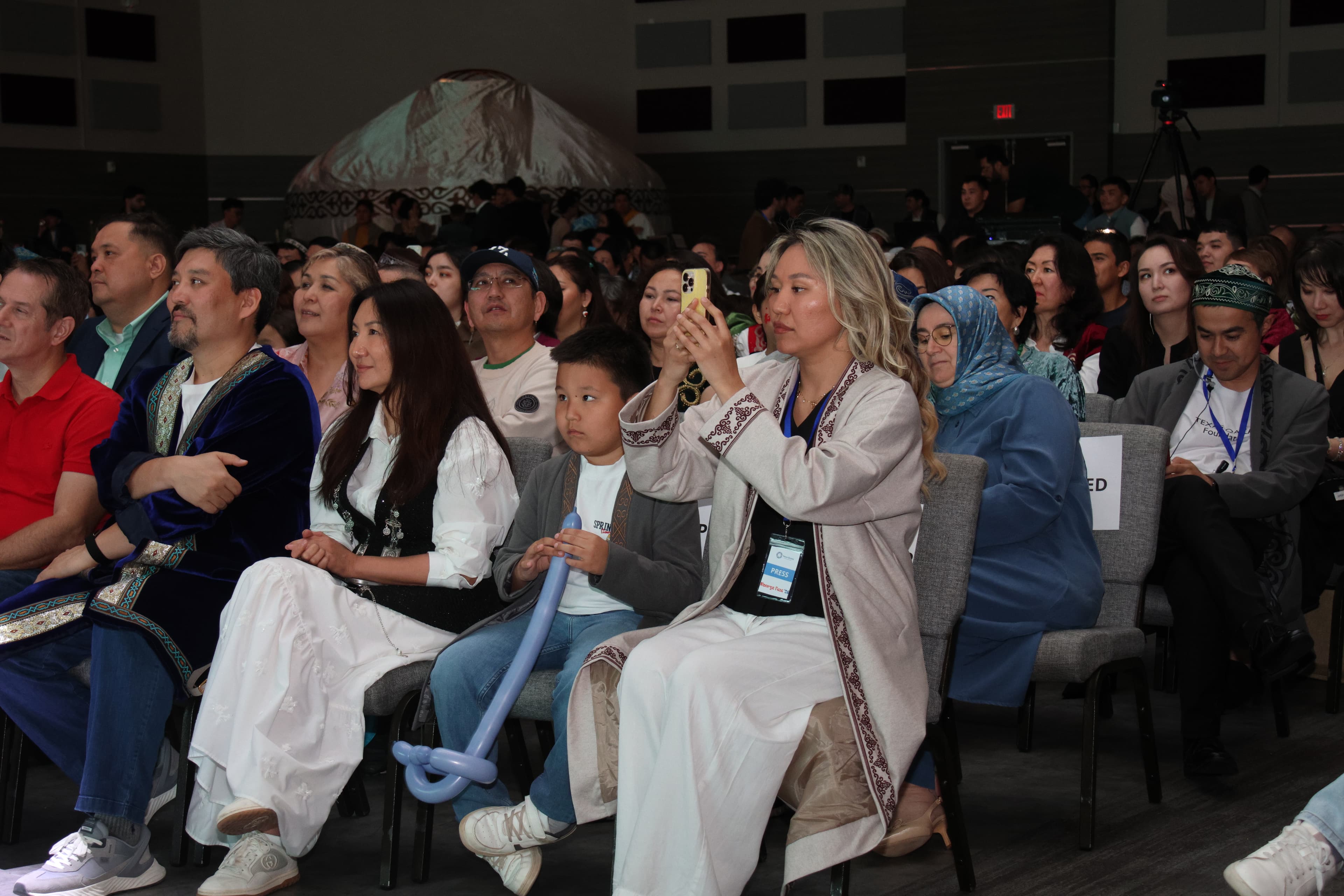
Attendees applaud during the Nauryz Cultural Festival in Houston. The event, hosted by Texas Qazaq Foundation, drew nearly 1,000 people gathered from across the United States.
For a young nonprofit still defining its role, the scale of the event marked a clear shift. TQF moved beyond serving only the Kazakh diaspora, opening its doors to a wider audience and positioning Nauryz as a shared cultural experience rather than a closed community gathering.
That shift showed not only in attendance numbers, but in who came. Xavier Herrera, a Stafford city council member, attended alongside representatives and guests from other Central Asian and Turkic communities, reflecting the event’s growing civic and cross-cultural reach.
“This cultural event is rooted in Nauryz itself. From the very beginning, Nauryz has been a gathering that brings Kazakhs together—people who have come through the hardships of winter and greet one another,” said Berik Ospan, president of TQF. “But since we are far from home, living in America, this event is especially important for us. Because we are away from our country, we need a place to come together. We have our values, we have our culture, and this event plays a very significant role in passing them on to our children.”
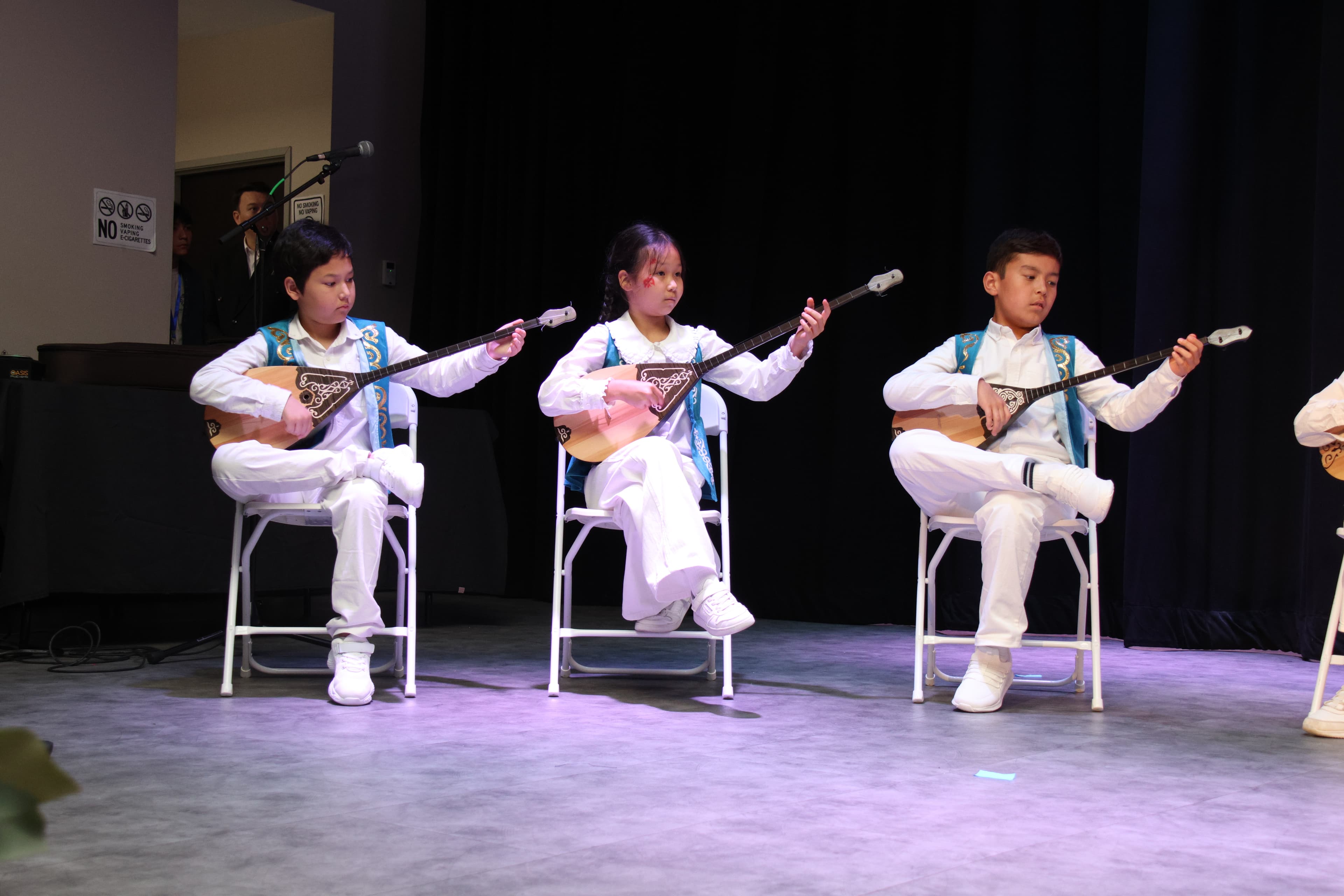
Children perform traditional dombira music at Nauryz Cultural Festival, reflecting efforts to pass Kazakh cultural traditions to the next generation.
That sense of purpose carried through the evening, particularly on stage. The lineup featured internationally recognized artists from Kazakhstan, including Sadraddin, Yenlik and Rauana, whose performances transformed the festival from a local gathering into a transnational cultural moment. Their presence drew strong engagement from the audience and underscored the growing ambition behind the event.
Ablay Tlepbergen’s dombira performance offered a different kind of resonance—quieter, but no less powerful.
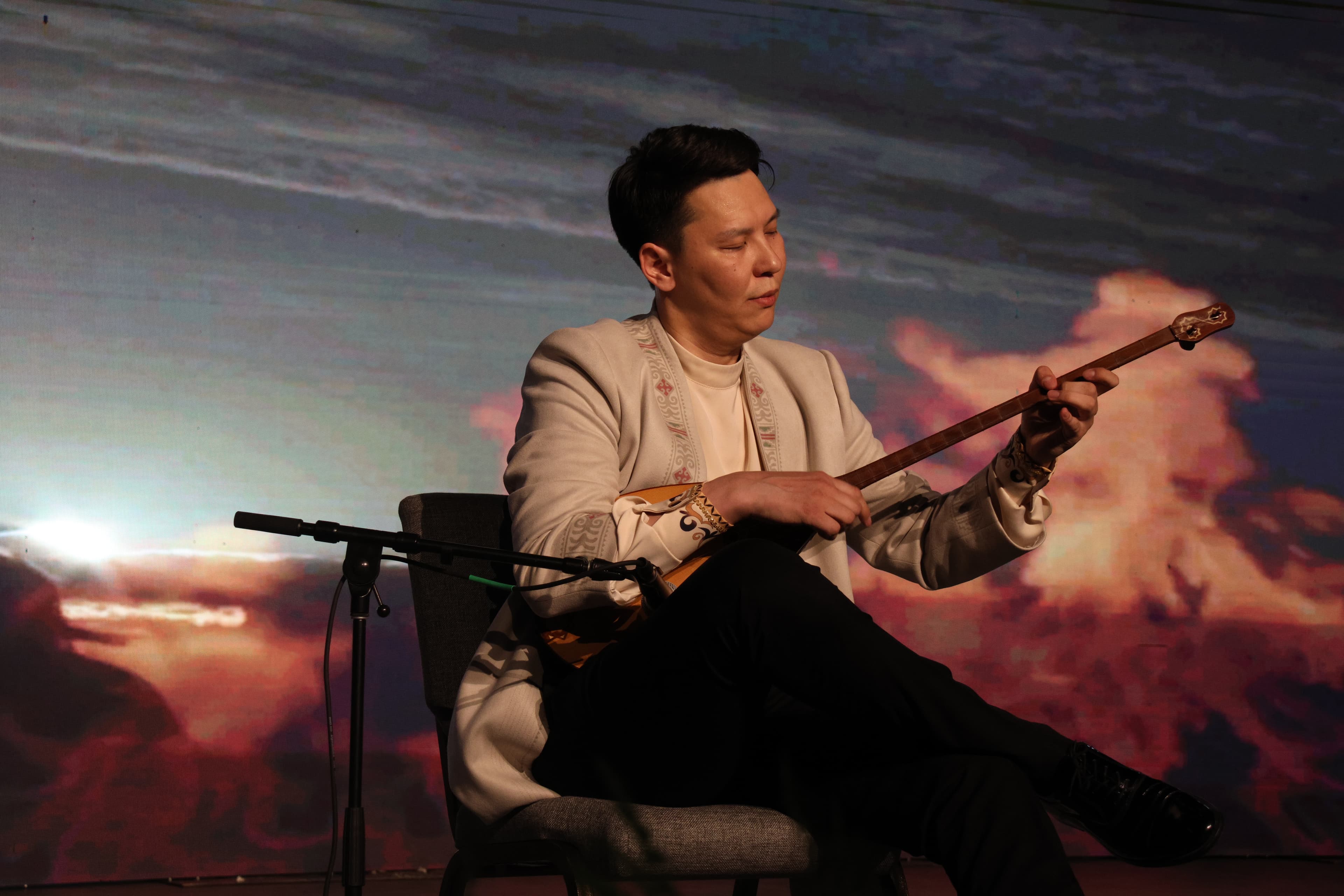
Ablay Tlepbergen performs traditional dombra music during Nauryz Cultural FEstival in Houston, bringing Kazakh musical heritage to life on stage.
“I performed several kuis, and the support from the audience deeply moved me,” said Tlepbergen. “At some moments, I was so emotional that I nearly had tears in my eyes. I believe it was not me, but the sound of the dombra and Kazakh art that truly resonated with people.”
Off stage, the festival functioned as both marketplace and meeting ground. Vendors offered traditional food, handmade goods, and cultural items, while games and a lottery program created a sense of shared participation rather than passive attendance. Plates of plov, samsa and shawarma moved quickly through the crowd, turning the space into something closer to a shared table than a typical event hall.
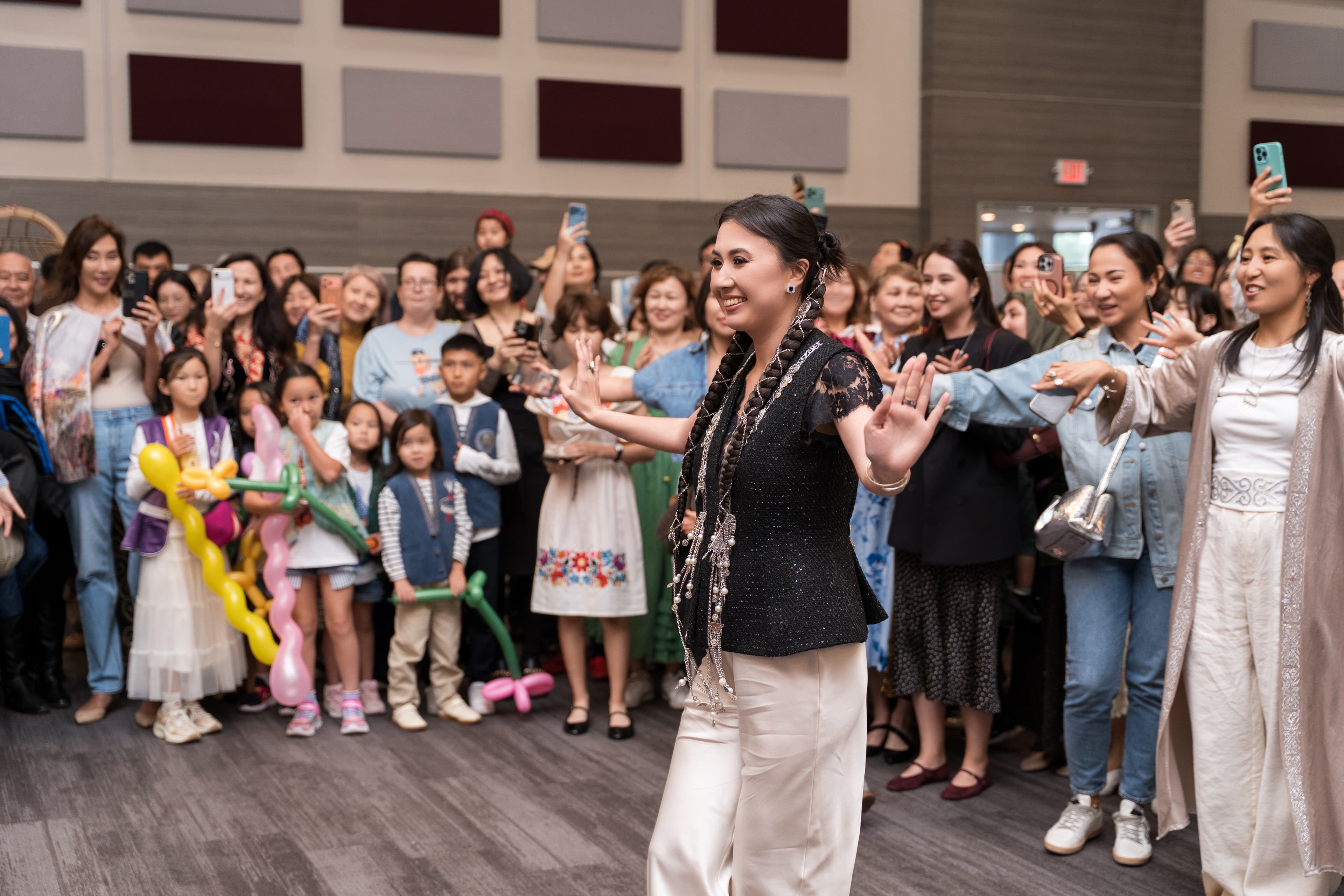
Guests gather and connect during Nauryz Cultural Festival. Photo courtesy of Texas Qazaq Foundation
For many, the event filled a deeper need.
“Here, I see familiar faces, and I haven’t been to Kazakhstan in a long time. There is a sense of longing for home, but being here makes me feel better,” one attendee said. “I also really appreciate how our community organizes events at such a high level.”
Nauryz, an ancient holiday marking the arrival of spring and the renewal of life, has long centered on gathering, hospitality, and new beginnings. In Houston, those traditions take on added meaning. What once marked seasonal change now also reflects how diaspora communities rebuild continuity far from home.
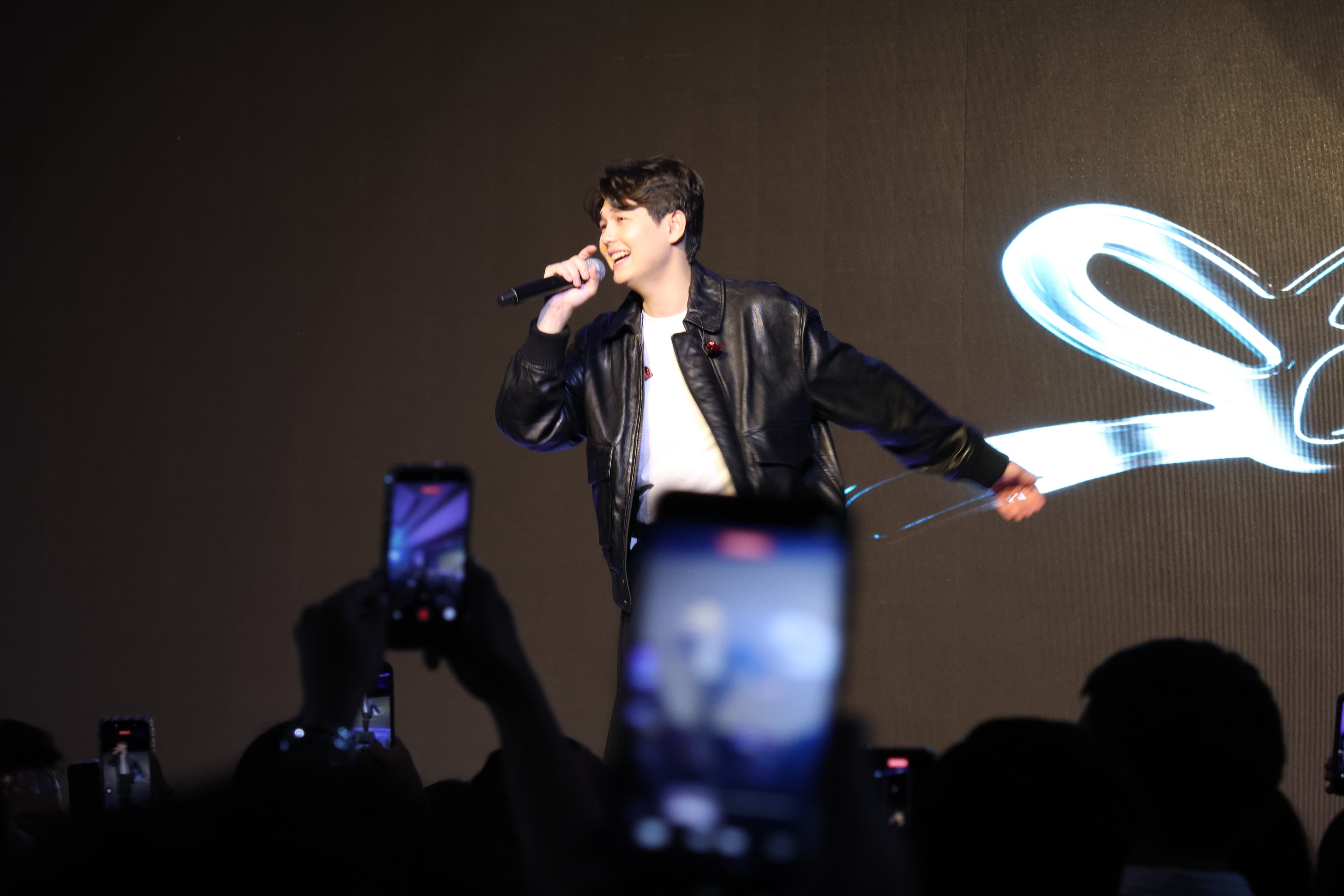
Attendees record a live performance by Kazakh hip-hop singer Sadraddin during Nauryz Cultural Festival, capturing moments that connect teveryone to culture and community.
This year’s festival suggests that the role of Nauryz itself may be expanding. No longer only a cultural touchstone for Kazakhs, it is becoming a platform—one that introduces Central Asian traditions to wider audiences while strengthening internal bonds.
Organizers plan to grow the festival further in the coming years. If this year is any indication, Nauryz in Houston is no longer just a celebration. It is becoming infrastructure.
Read how one Kazakh teacher keeps the spirit of Nauryz alive.