Uyghur Children Carry Language Across Generations In Honor of International Mother Language Day
For the Uyghur community in exile in the United States, language carries memory, anchors belonging and safeguards continuity across generations.
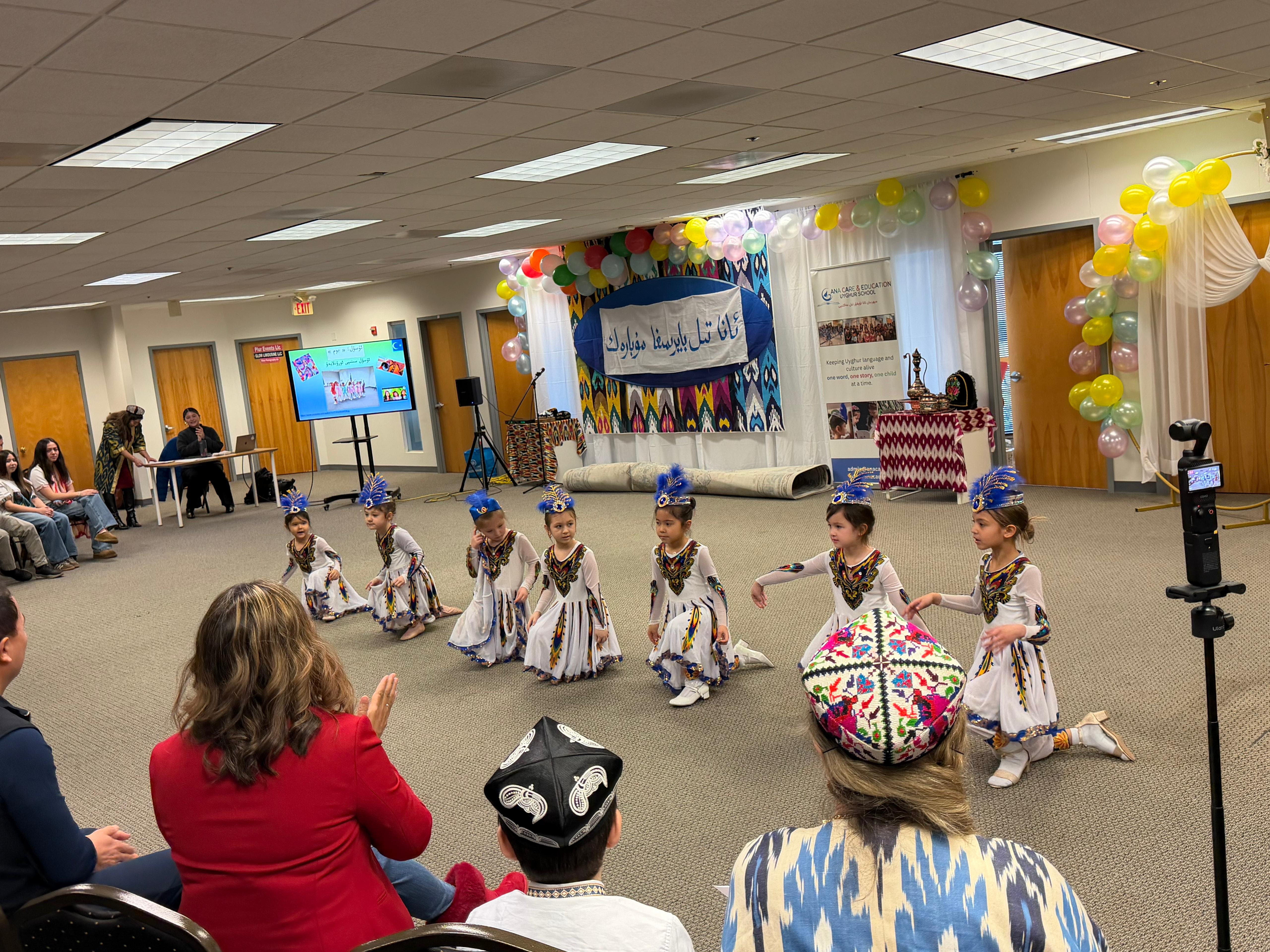
Photo courtesy of Ana Care and Education
Summary: International Mother Language Day honors linguistic diversity worldwide. For Uyghur families living far from their homeland, it also raises a deeper question: how does a language survive when returning is not an option.
In Fairfax, Virginia, Ana Care and Education marked the day through student performances that placed Uyghur language, memory, and identity in the voices of first-generation Uyghur Americans, revealing how culture endures through remembrance, daily practice and community care.
While communities around the world marked February 21 as International Mother Language Day, Ana Care and Education approached the observance as more than a symbolic moment. At its Uyghur school in Fairfax, Virginia, the day became an opportunity to reflect on how language, memory and identity continue to take shape in the voices of children born far from their ancestral homeland.
Ana Care and Education marked International Mother Language Day at its Uyghur School in Fairfax on Sunday, February 22, 2026. About 55 United States-born Uyghur students filled the stage with poems, short plays, songs and traditional dances performed in the language of their ancestors.
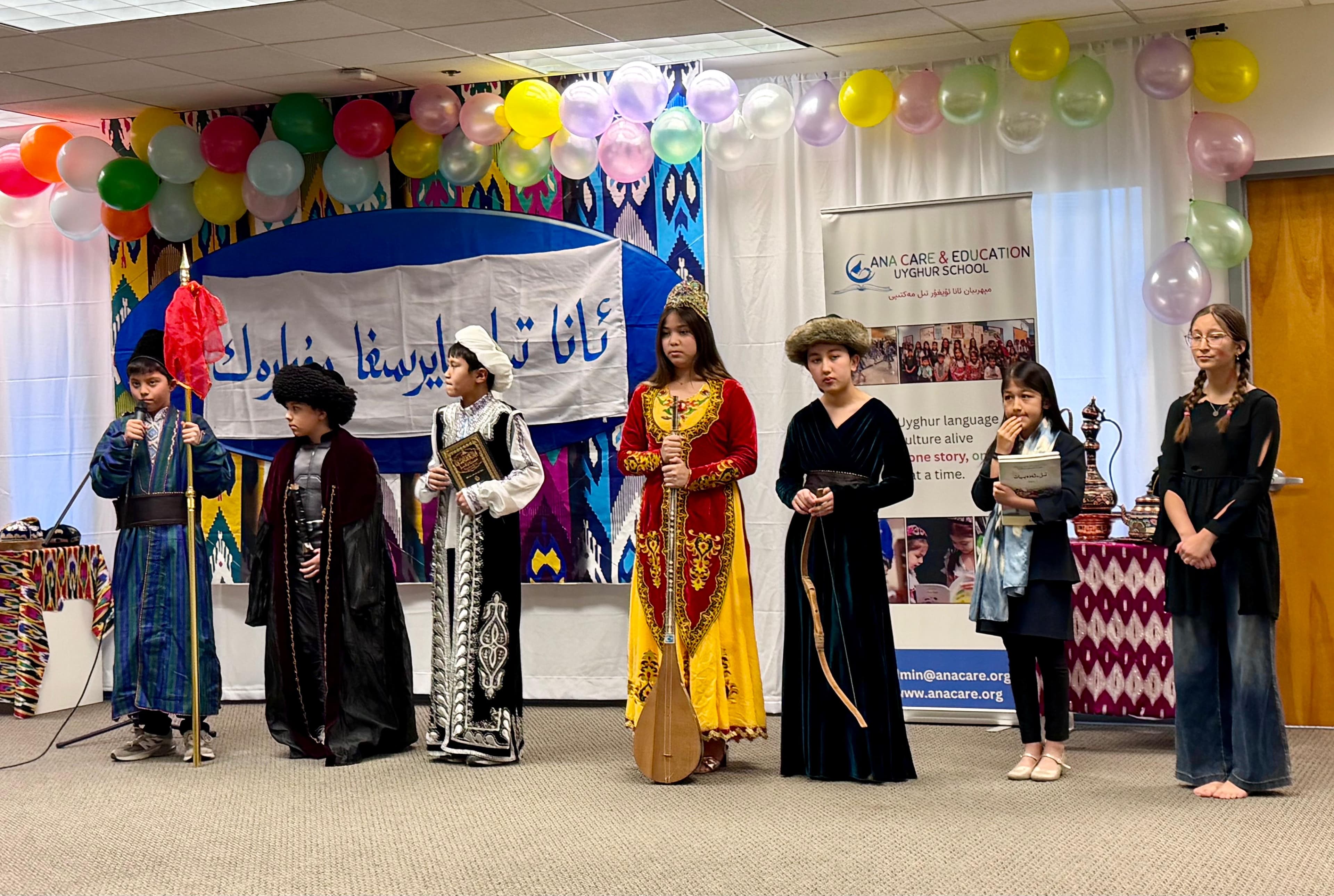
Photo courtesy of Ana Care and Education
The students, ranging from early elementary school through high school, prepared for the program over several weeks. Rehearsals began in November and continued through December during the school’s weekly Sunday classes.
Founded in 2017, Ana Care and Education grew out of decades of informal, volunteer-led language instruction among Uyghur families in Northern Virginia. For the event’s organizers and the nonprofit’s founders, Sureyya Kashgary and daughter Irade, International Mother Language Day serves as a public moment to share what students have learned and to consider how Uyghur language continues to live across generations shaped by migration and distance.
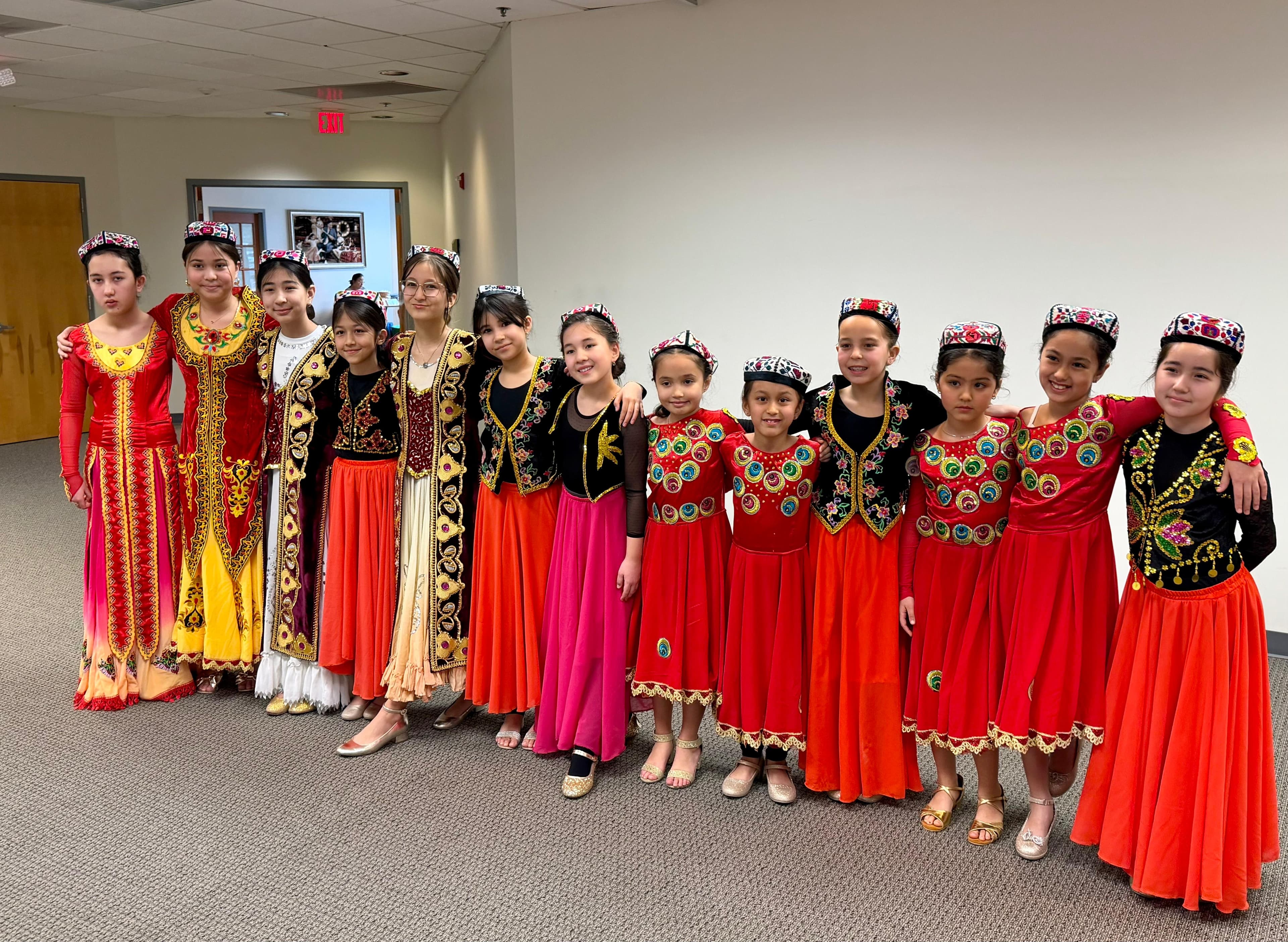
Photo courtesy of Ana Care and Education
As Kashgary, who moved to the US with her husband in the late 1990s, explained in an interview, language means more than a shared set of words. For Uyghurs living in exile, she described it as a way of keeping who they are alive—sustaining identity and connection when return to the homeland remains out of reach. “We have to teach the next generation where we are from,” she said, “our land, our mountains, our rivers—so they can carry that with them.”
International Mother Language Day is observed each year on February 21 to affirm the value of linguistic and cultural diversity. The day traces its origins to 1952, when students in what is now Bangladesh protested for the right to speak their mother tongue, Bangla—an act that linked language to dignity, memory, and cultural belonging. When UNESCO formally recognized the observance in 1999, it extended that message to communities around the world.
For communities living far from their homelands, the observance offers a way to connect global meaning to local experience.
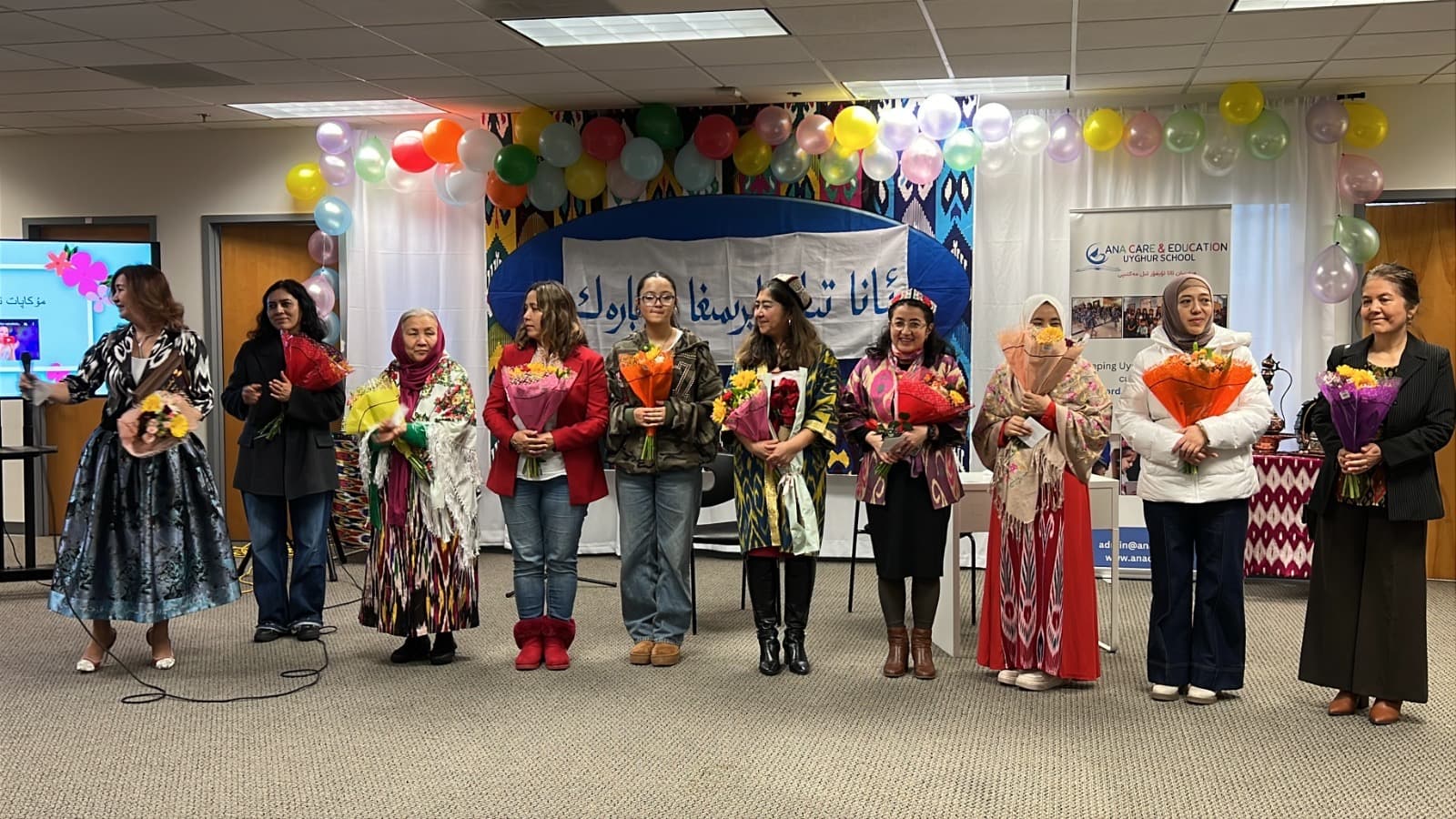
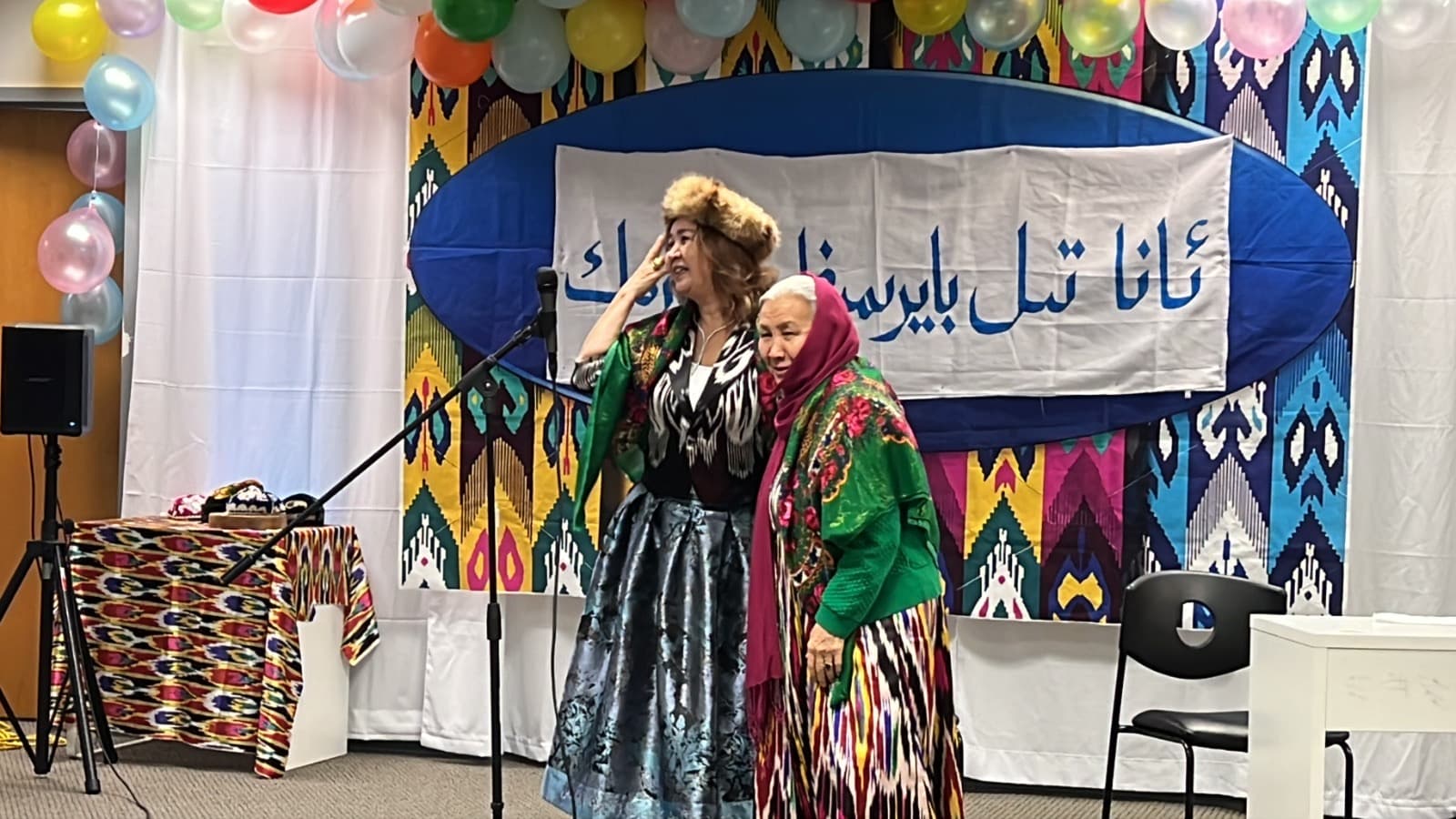
Photos courtesy of Ana Care and Education
Several performances during the program reflected themes of a mother’s love and memory, such as “Ana mihri” (the tenderness of a mother). In the context of International Mother Language Day, this idea emphasized how language often passes first through care and affection, and how it continues to hold a sense of place for those Uyghurs living in the US. As Kashgary described, Ana Care not only as a school but as a community space where people come together to practice language, culture and belonging.
Roughly 20 parent volunteers, organized through the school’s parent–teacher association, supported rehearsals and event logistics, while teachers guided students through weeks of preparation leading up to the February performance.
After the event, Kashgary reflected on what stayed with her most. “What stayed with me was the sense of unity,” she said. “It felt less like a celebration and more like a living expression of community, identity, and hope carried forward by the next generation.”
Read here about a Turkmen family’s quest to revive Turkmen literature with YouTube.