What Keeps a Family Standing During World Cup Summer
A former CFO shares how immigrant experiences shaped her family’s approach to financial stability.
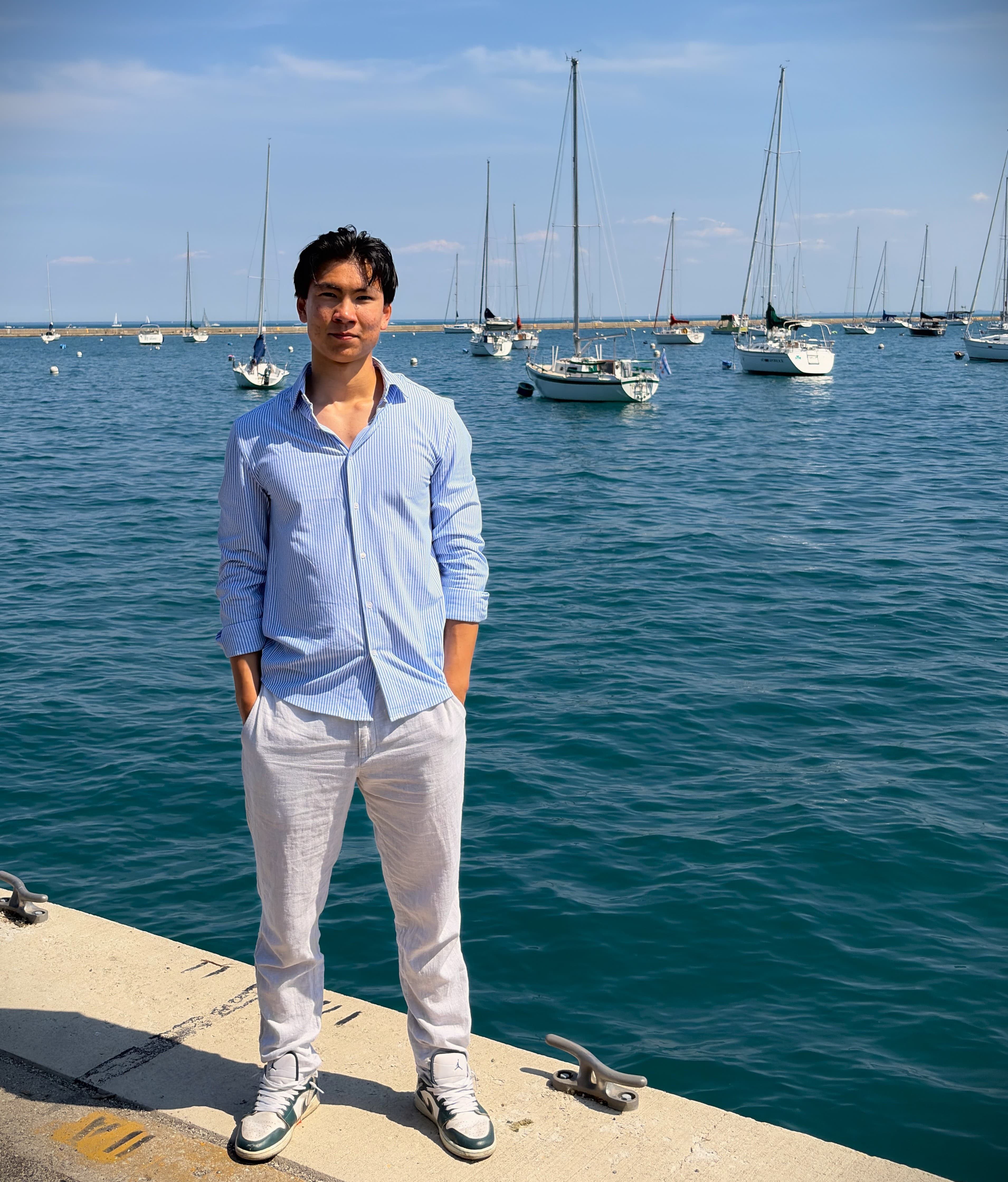
Gulnara Mukhambet Kyzy is a Kyrgyz American financial advisor and mother of three based in Fairfax, Virginia. As founder of EGMA Pro and a former CFO of a multinational firm, she brings both professional expertise and lived experience to this new Edgu Bilig column, which offers practical financial insight grounded in the realities of immigrant life. In this this third installment she shares how World Cup excitement and rising costs reveal why stability matters more than appearances during uncertain economic times.
Summer arrives with pressure disguised as celebration. The World Cup fills restaurants, group chats and social media feeds with excitement, travel plans and gatherings. Families feel pulled in every direction—vacations, tickets, eating out, new experiences—all while prices continue to rise.
I understand that feeling personally.
But four months ago, my husband was laid off overnight—no warning.
As someone who spent years as a CFO and now runs my own accounting and tax practice, I know what financial pressure can cost a family. This is not an article telling people not to enjoy life. It is about enjoying life without destroying the foundation your family depends on.

Gulnara Mukhambet Kyzy, founder of EGMA Pro, a bookkeeping, tax service company. Image courtesy of author
What protected us during that moment was not luck. It was years of living below our means, even during the years when we could have afforded much more.
That choice gave us something many families do not have during a crisis: time.
Because we had savings, my husband had time to find the right job instead of rushing into the wrong one just to pay bills. We could stay calm and make careful decisions instead of desperate ones. That peace came from habits we had built over years.
I learned those habits growing up in Kyrgyzstan during the collapse of the Soviet system in the 1990s—a chaotic time for many families. My father lost stable work and began buying and selling small goods to survive. He never complained, never stopped and grabbed whatever opportunity he could find, no matter how small.
My mother carried a quiet calm through all of it.
Together, both my parents showed me the most-important financial lesson to understand: hard times don’t last forever. If you don’t lose your footing and keep moving, you will get through them.
Today we live with comforts that kings and queens of the past could only dream of. And slowly, without noticing, we have started treating luxury as necessity. We see vacations, cars, restaurants and events on social media—and we feel left behind.
Even when I was earning a CFO salary, my husband and I chose to live below our means. Not because we couldn’t afford more but because we had seen what happens when families spend to look wealthy instead of becoming stable.
Real financial security rarely looks impressive from the outside. Often it looks ordinary. It looks like saying “no” sometimes. It looks like staying home. It looks like building savings quietly while other people spend publicly.
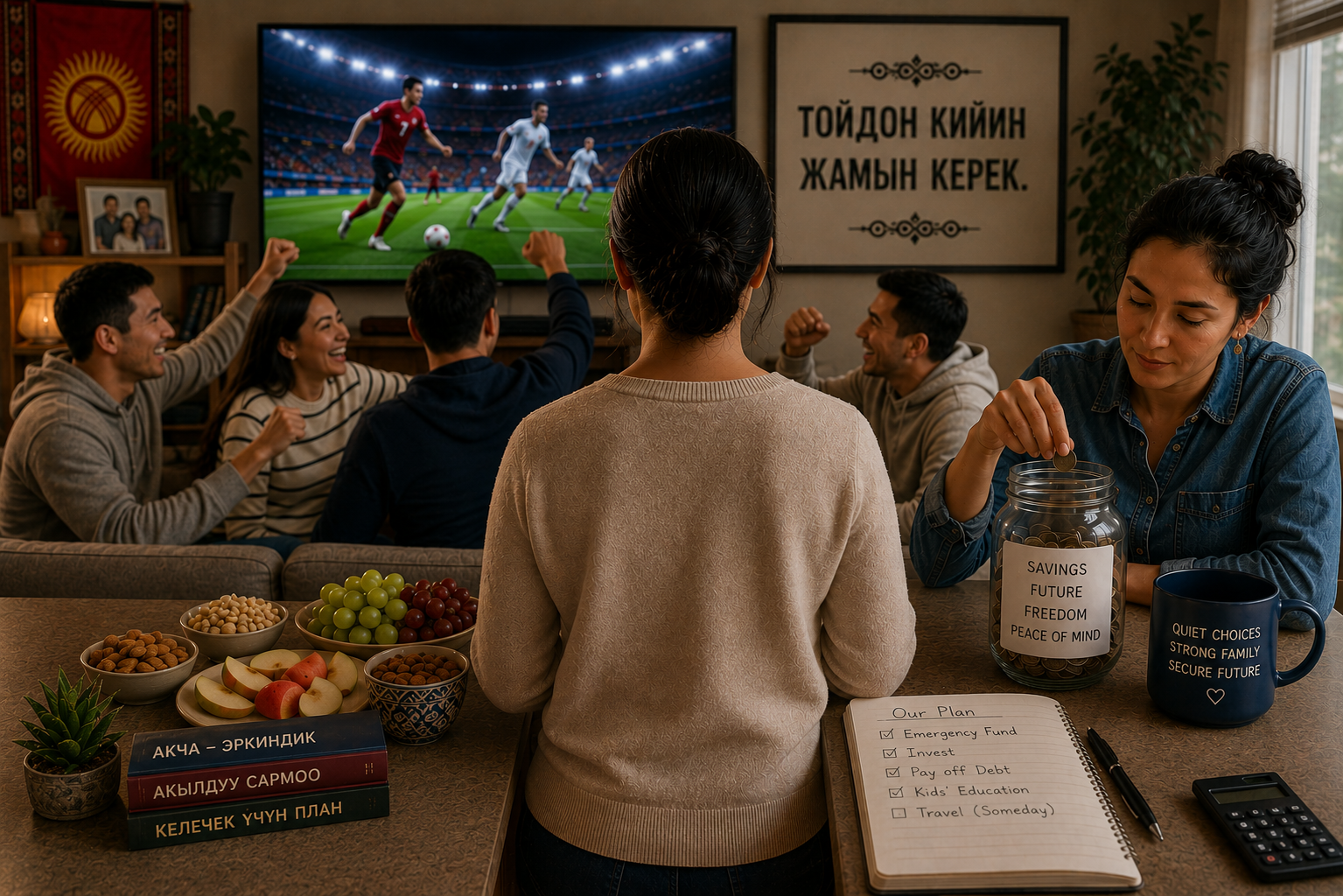
And during a season like the World Cup, that pressure becomes even stronger. But some of the best football memories do not come from expensive trips or overspending. They come from gathering at home with close friends, tea, good food and conversation.
You cannot control oil prices, layoffs or the economy. But you can control your habits.
Build a buffer. Three to six months of expenses in savings is not a luxury—it is your family’s safety net.
If you have two incomes, try living on one and saving or investing part of the second.
Most importantly, talk honestly with your spouse about money. Couples who avoid this conversation often pull in opposite directions and go nowhere.
In our faith, there is a principle for uncertainty: do your best, make dua, and practice tawakkul—trust in God’s plan. Prepare with everything you have, then release what you cannot control.
True financial security is not about having a perfect year. It is about building a life stable enough that when the storm comes—and it will—your family doesn’t break.
This summer let’s protect what matters most.
More from