Where None Existed Before, Central Asian Students Launch CenAsia at UConn
In a state with no formal Central Asian student organizations, students at the University of Connecticut are creating visibility, support and cultural space through the launch of CenAsia.
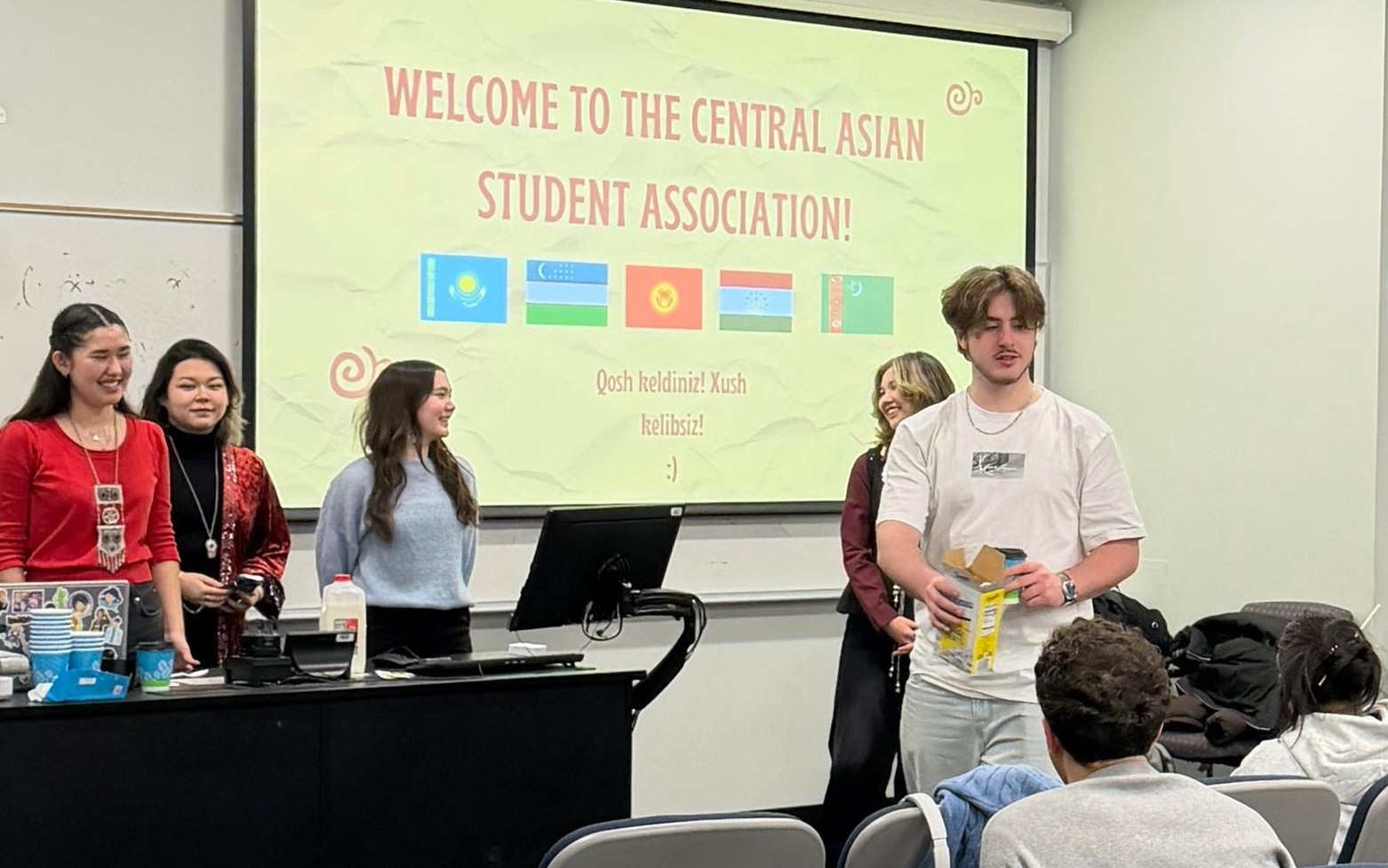
Photo courtesy of CenAsia
Summary: In a state without formal Central Asian student infrastructure, UConn students are creating their own, starting with CenAsia, the university’s first organization centered on Central Asian identity and culture.
With the launch of CenAsia, the University of Connecticut now has its first student organization dedicated to Central Asian identity, culture and community—marking a milestone for a region students say has long been invisible on campus.
The group held its first meeting on Thursday, February 12, drawing about 15 students. Led by five students from Kazakhstan, the event introduced attendees to Central Asian culture through games, language activities, and traditional milk tea and chocolate from Kazakhstan.
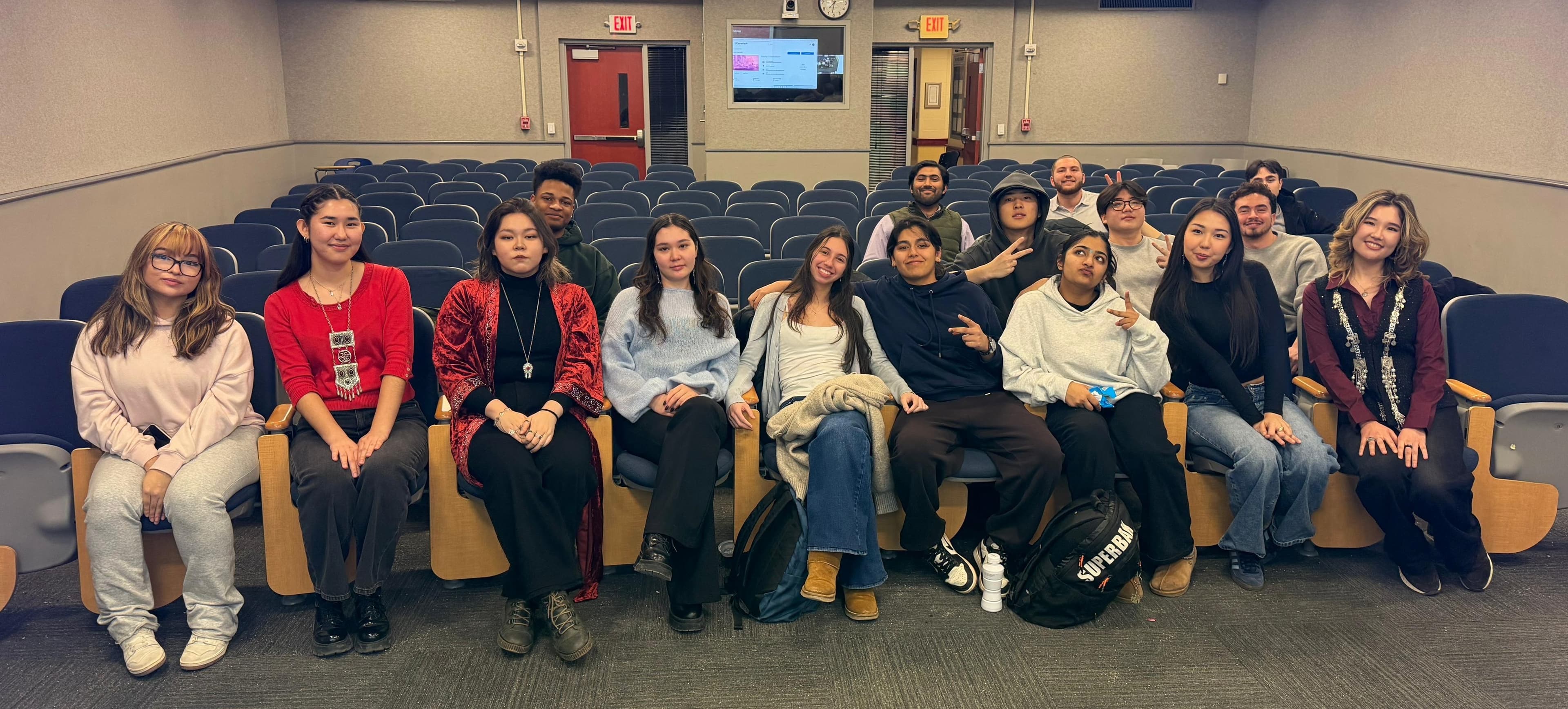
Photo courtesy of CenAsia
CenAsia was created to serve both as a support network for Central Asian students and as a platform for cultural outreach. Club leaders say the organization to ease the transition university life while increasing visibility for a region often overlooked in global and Western narratives. While UConn hosts many cultural organizations, they noted that Central Asia rarely appears in those spaces. Through events and programming, CenAsia hopes to challenge misconceptions and highlight the region’s history, languages and cultural traditions.
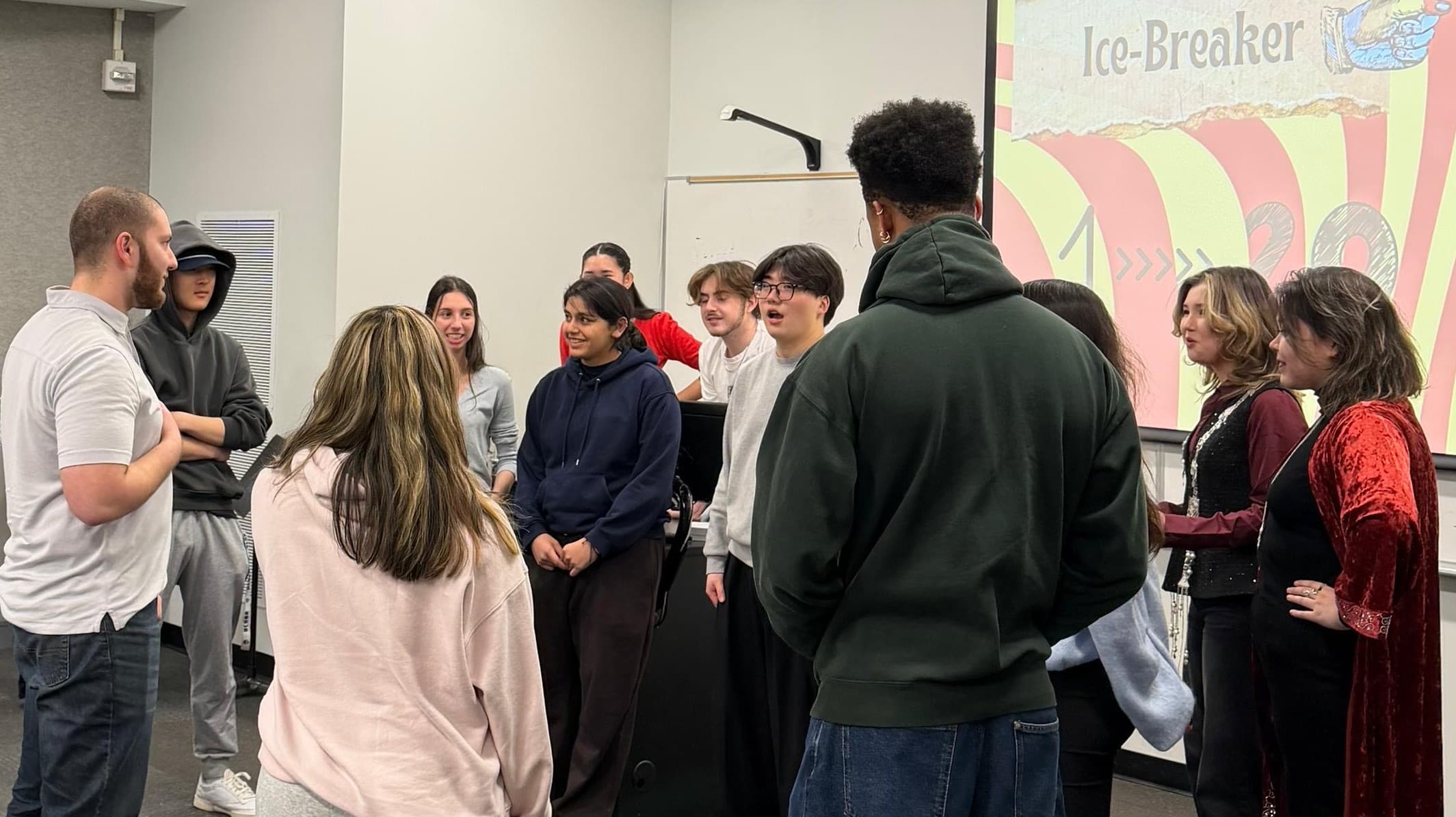
Photo courtesy of CenAsia
As UConn’ s first Central Asian student organization, CenAsia’s leaders see the club as the foundation for something larger. Ainur Amangeldi, a junior chemical engineering major and vice president of CenAsia from Kazakhstan’s southwest region of Mangystau said building long-term community was a central goal. “We’re the very first ones starting this, so we might not have the craziest results,” she said. “But I feel like paving the way for future Central Asians is really important. Once you have a club that’s already started and already going, it’ll be easier to build off of that and maybe take the club to a different level.”
The lack of a broader Central Asian presence in Connecticut made the club especially meaningful, Amangeldi added. “We just did not have any community for Central Asians at the university, let alone in Connecticut,” she said, noting that similar associations exist in neighboring states but not locally.
Attendees described the meeting as welcoming and inclusive. Jad Heuga, a freshman finance major from France, said the atmosphere stood out immediately. “I would say, very warm,” he said. “The welcome was awesome.”
CenAsia plans to host additional events this semester, including a Navruz celebration highlighting Central Asian traditions. As the organization grows, its leaders hope to build lasting community in a region where formal Central Asian infrastructure remains limited.
Read about Kazakh Student Association at ASU here.