Uzbek American Creator Jahongir Karim Redefines Visibility Through Discipline and Heritage
Born in Texas to Uzbek immigrants, Jahongir Karim, a content creator uses humor and hard work to correct how Central Asians are seen—without compromising who he is.
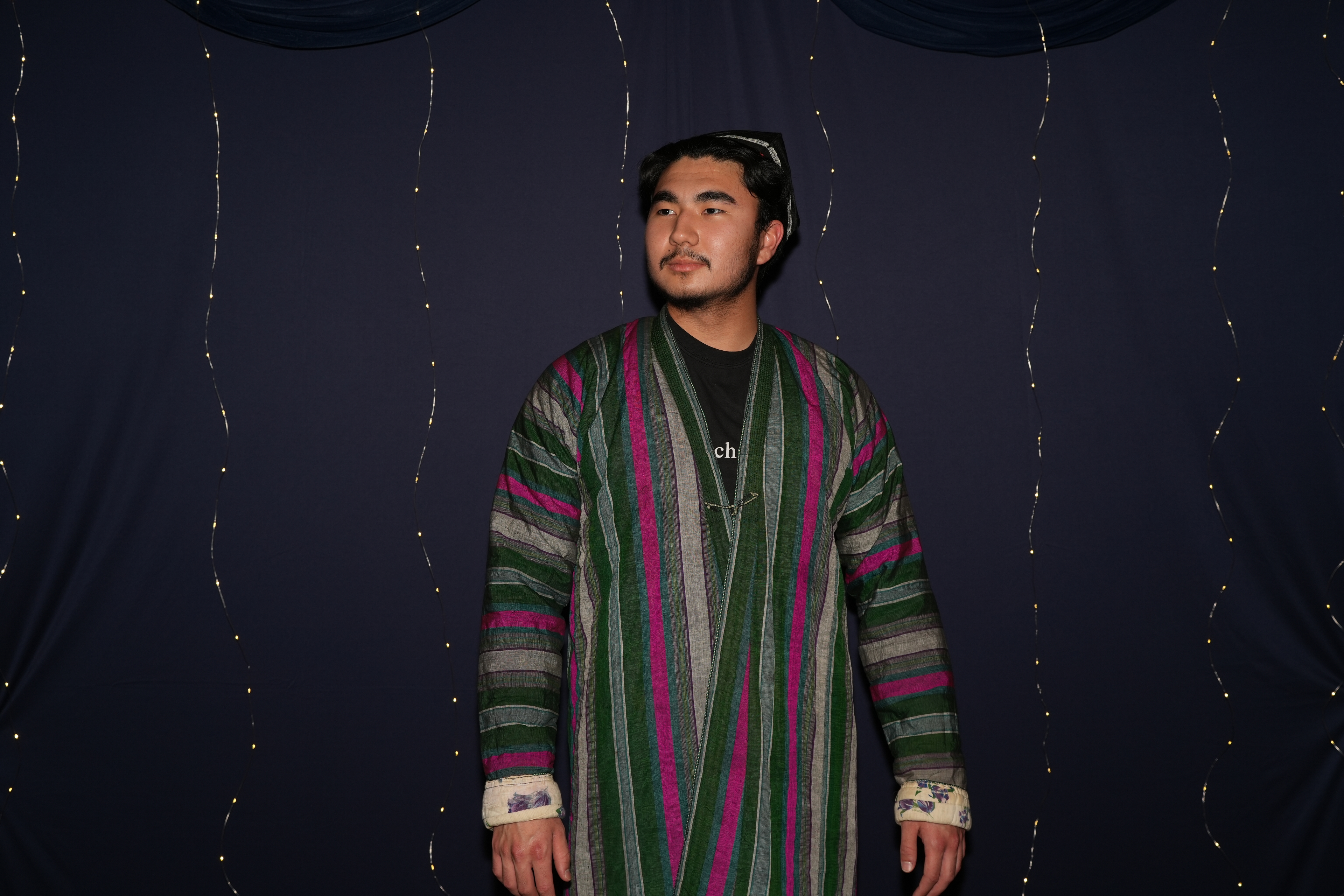
Photo courtesy of Jahongir Karim
Summary: With nearly a quarter million followers across Instagram, TikTok and YouTube, Uzbek American content creator and pre-med student Jahongir Karim is reshaping how Central Asians are represented online. Born and raised in Texas to immigrants from Uzbekistan, Karim balances humor, faith and medicine while insisting on cultural precision—starting with his name. In this conversation with Edgu Bilig, the author of the phrase, “It builds character,” reflects on discipline, visibility and the responsibility that comes with influence in a space where Central Asian identity is often misunderstood.
“Ja-hon-gir,” he repeats, slower the third time, pressing the final syllable into place.
At a time when many Central Asian creatives are still fighting to be seen without being flattened, Jahongir Karim has found a way to grow an audience without softening who he is. He insists on his name—a name tied to Uzbek imperial history through the Mughal emperor of the same name.
Like many first-generation Americans, he grew up negotiating what it means to be both Uzbek and American. With nearly a quarter million followers across Instagram, TikTok and YouTube, his videos reframe identity—Uzbek, Muslim, American—through humor and shared experience.
Born in Harlingen, Texas, and now a pre-med student at Texas A&M, Karim has never lost sight of where his roots lie. The son of immigrants from Uzbekistan’s southern Surxondaryo Region, he draws inspiration from generations of scholars and scientists who came before him. “All of that circulates in my mind and gives me the discipline to study,” he says. “They were disrupters in science and in philosophy, in literature. … So, I could do the same thing, for example, in social media.”
In this conversation, Karim reflects on how discipline and heritage shape his work—and how humor, medicine and faith can coexist without dividing his identity as an Uzbek American.
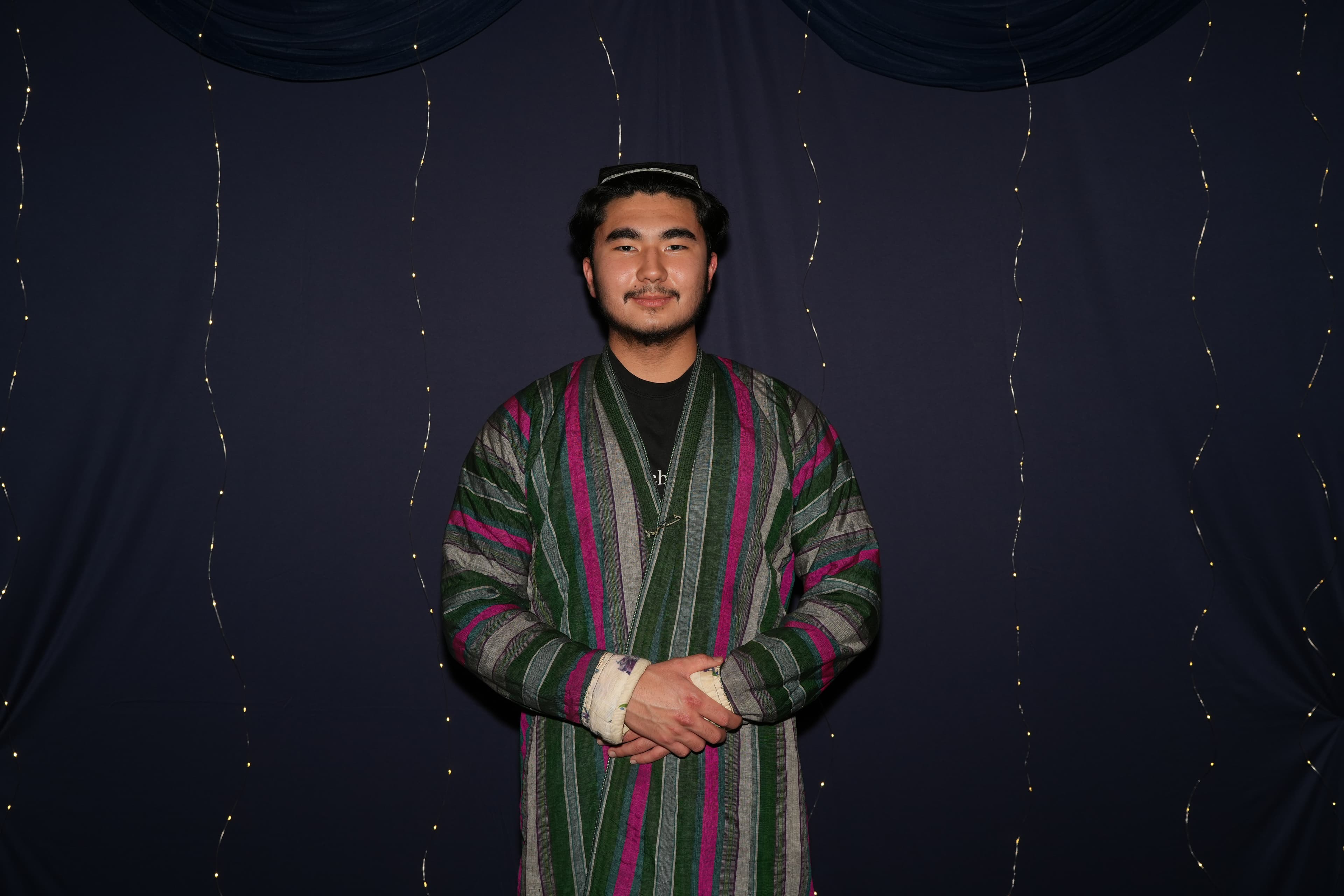
Photo courtesy of Jahongir Karim
You started making videos long before you had a big audience. What were you originally trying to do for yourself when you first hit record?
I started this entire journey to pay for my tuition. At first, I was doing user-generated content for brands, but I realized building a personal brand was more valuable long term. It was practical, but it was also something I enjoyed. I learned that if I don’t enjoy something, I won’t do it well.
At what point did the focus shift from money to message?
That shift happened when I realized how much influence I had. I started getting messages from people—especially non-Uzbeks—saying my videos helped them understand what Uzbeks look like and where Uzbekistan fits in the world. At that point, it stopped being about money. I still do brand deals, but the main purpose now is showing people that we’re Uzbeks, not East Asian, and that our culture is rich and distinct.
How does that message resonate with those who may not be Central Asian, or Muslim?
The number one thing my content has been able to do is grow curiosity. Before, when I was making the main character videos and the It Builds Character videos, I was tailoring things to a broad audience, and I gained what you could call a cult following. People started saying “It builds character,” or calling me “Agent K,” referencing the videos. It was all nice, but I wanted to make the transition to Central Asian Muslim content. That’s when people started showing curiosity. They learn about osh, horse culture and the deep connection to Islam—how Central Asia played a role in the Islamic Golden Age. That curiosity is what I’ve been able to create.
Your content has gone through phases—study videos, humor, pranks and now more identity-focused work. What made you decide it was time to be more intentional?
It comes back to influence. At first, I was creating videos because I enjoyed it, and honestly, to make money. I created It Builds Character because I thought it was funny—bringing up nostalgia and forcing it on the next generation. A lot of people enjoyed that. Then I moved into the main character videos, acting like people were secret agents. That was just the creative side of me.
Studying was about getting A’s and a 4.0, and content was my break from that. It let me be creative and engage with people. But as time went on, I started thinking more long term. My biggest goal is that after medical school, I want to be a voice in medicine—someone who breaks misinformation in a way that’s warm and approachable, like Dr. Mike. I wanted to see what would happen if I shifted from just humor to content with more purpose. And so far, it’s been going well. I’ve gained more Central Asian followers, and it feels aligned with the long-term goal I’ve always had.
How do people like historically influential Uzbeks shape and drive you?
When I think about the impact of those from the same country as me like Ibn Sina, al-Khwarizmi and Biruni—not just in the Islamic Golden Age but in science—I feel a sense of responsibility. I don’t think about it in terms of doing something massive or curing cancer. It shows up in small things: studying, doing my flashcards, staying disciplined. When I feel lazy or want to procrastinate, I remind myself where I come from. I also think about the sacrifices my parents made to come here and give me a better education. That combination—heritage and sacrifice—pushes me to stay consistent. The people from where I’m from were disruptors in science, philosophy and literature, and that motivates me to take risks in my own field, even if that field is social media.
There’s a lot of weight to your name, and you’ve been careful about making sure people say it correctly. Why is that?
That’s something my dad taught me when I was in elementary school. When we were introducing ourselves, he told me: tell everyone your name is Jahangir. Don’t give them a nickname. Don’t let them call you Jonathan or anything else. If they don’t say your name, don’t respond—because that’s your culture. That’s your identity. I’m really thankful he taught me that, because I still live by it today. When people ask if I have a nickname, I say no. My name is Jahongir. It’s the name my parents gave me when they came to America, and it’s the name I’m going to stick with.
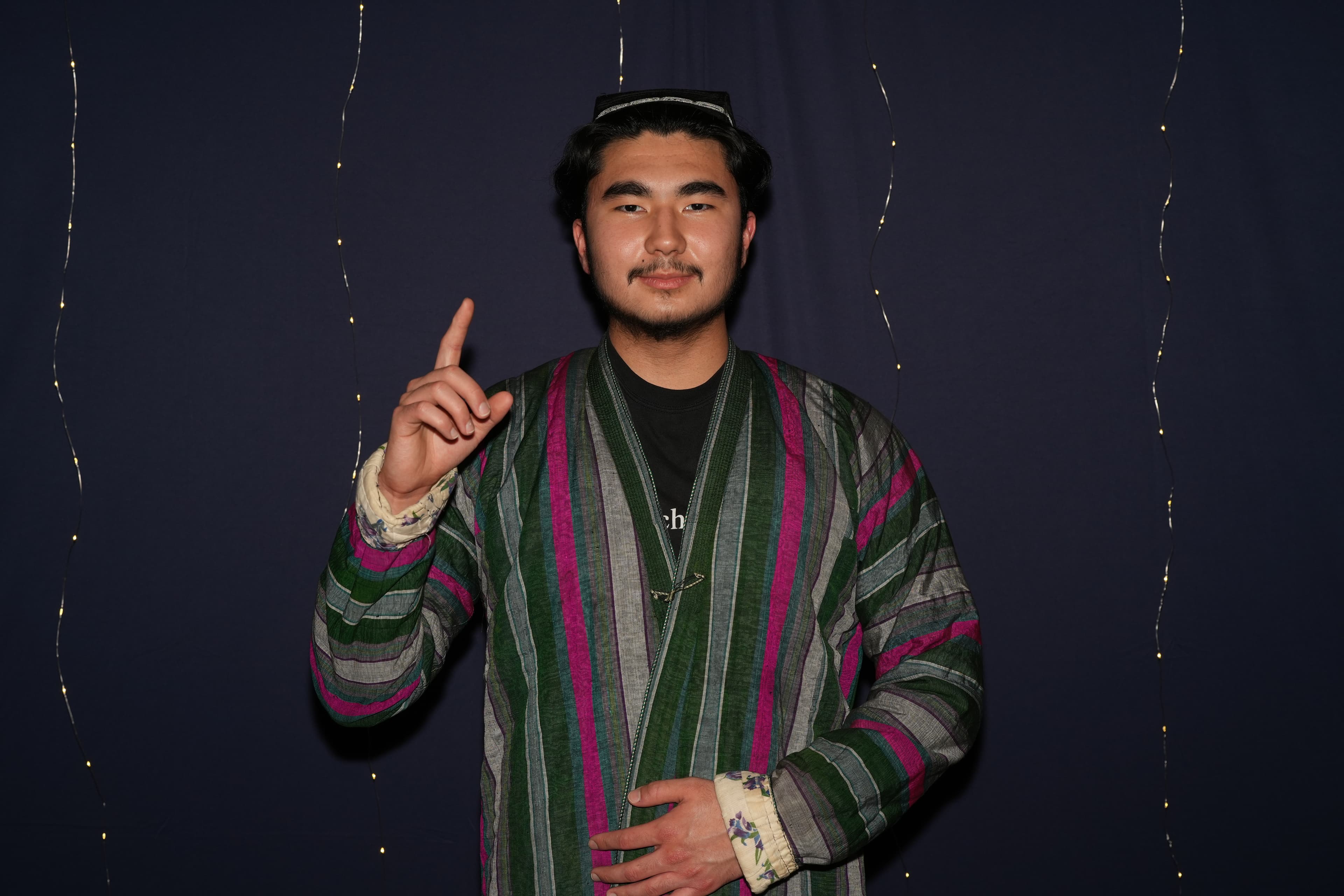
Photo courtesy of Jahongir Karim
How do you balance that pressure with the courage to move forward?
When I look at people like Biruni or Ibn Sina, I don’t think I have to be just as great as them. That’s the wrong way to think. They lived in different conditions and different times. I think about them as pioneers. They were pioneers in their fields, so I can be a pioneer in mine. I don’t hold myself accountable for outcomes—I hold myself accountable for habits: consistency, hard work, perseverance and taking risks. I don’t look at my parents or these figures as standards I have to live up to exactly. I look at them as motivation. I try to copy their discipline, not their achievements.
You’re pursuing medicine while also creating comedic content. How do those two sides of you work together?
Comedy is part of my identity, and medicine is my purpose. I don’t see them as separate. Even off camera, I like joking and being relatable—that’s just who I am. I’m not going to shut that down just to fit into medical school.From shadowing doctors and working with patients, I’ve seen how burnout can turn people into robots. That’s not their fault, but it affects how patients feel. I think humor, when used appropriately, helps patients feel comfortable and human. At the end of the day, being a doctor is about serving patients. You can do that professionally while still being warm and human. That’s where comedy fits in—it helps with bedside manner, and that matters.
You’ve talked about wanting to be someone Central Asian kids look up to online. What do you hope they see in you?
I hope they see that through hard work and determination; you can achieve what you want. Growing up, I always wanted an older brother—someone who understood how to live in America while holding onto their identity. I’m an older brother now, and that shapes how I think. I want Central Asian kids to know academics are important, but you can still take risks. Without taking risks, you never learn what you’re capable of. I want them to see that you can be serious about school and still do social media, athletics, or business. You don’t have to choose one. That’s the kind of guidance I wish I had.
Read this conversation with documentary photographer Daniil Usmanov, who reflects on migration, authorship and stepping back.