Uzbek Proverbs Show Why Every Civilization Calls “Mother” the Best Person in the World
Across cultures and centuries, humanity names one moral foundation yet rarely takes the time to honor it.
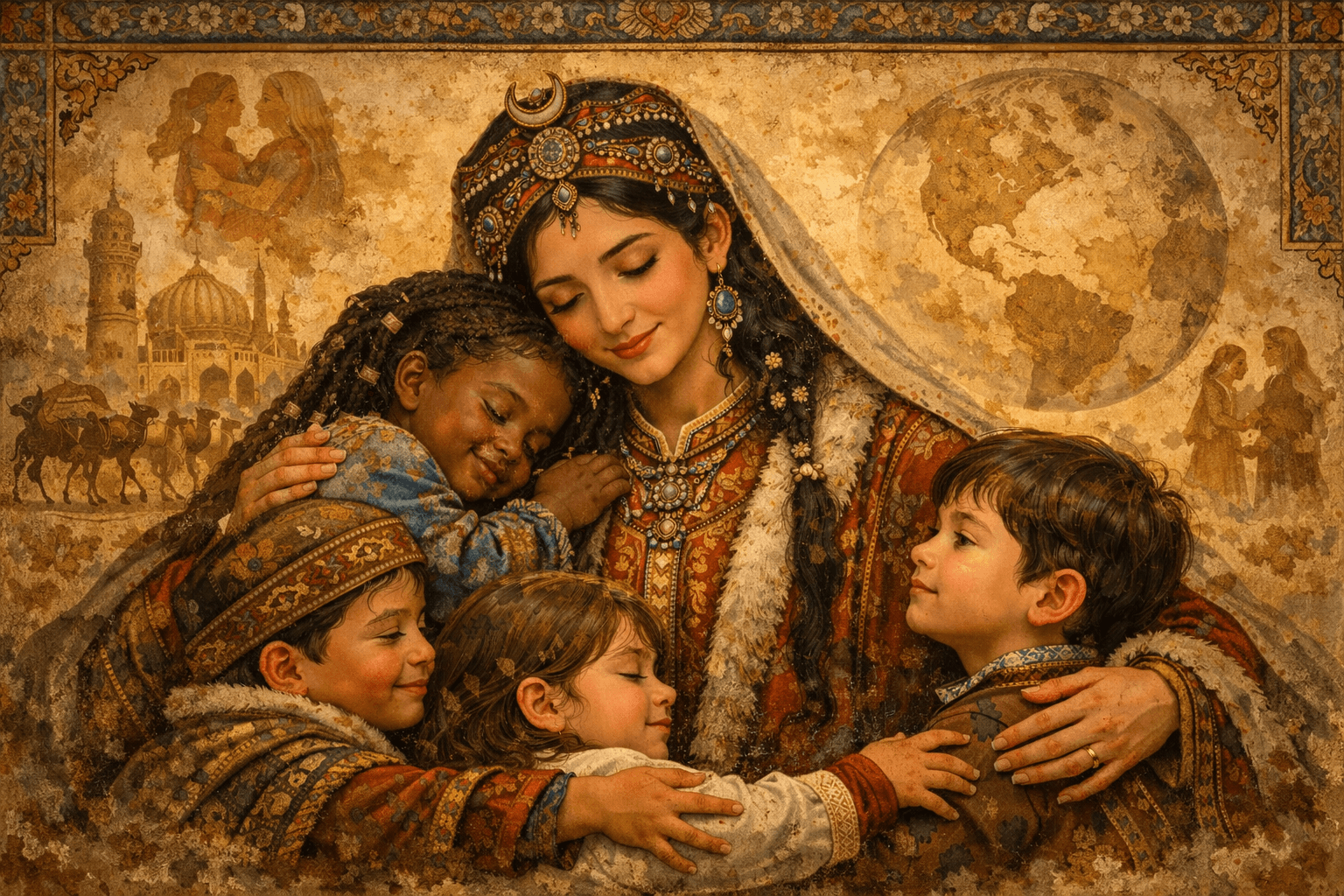
Summary: Across cultures, languages and histories, humanity elevates its highest values with one word: mother. Proverbs, metaphors and memory consistently place moral origin in maternal care.
In this essay, Sayyora Toychieva traces how motherhood shapes ethical understanding—revealing why compassion, endurance and human dignity begin with our first teacher.
We say motherland, mother tongue, mother soil, mother country—we attach the sacred word “mother” to everything good in this world. Perhaps this is because the greatness and dearness of a mother permeate all these meanings.
Long ago, wise words were spoken:
“Give us good mothers, and we will become good people.”
“The first educators of a nation are its mothers.”
“One who has a mother never grows old.”
These sayings reveal the greatness of our first teachers—our mothers—who help us understand the bright world we open our eyes to, who teach us to distinguish white from black, good from bad, right from wrong, virtue from sin.
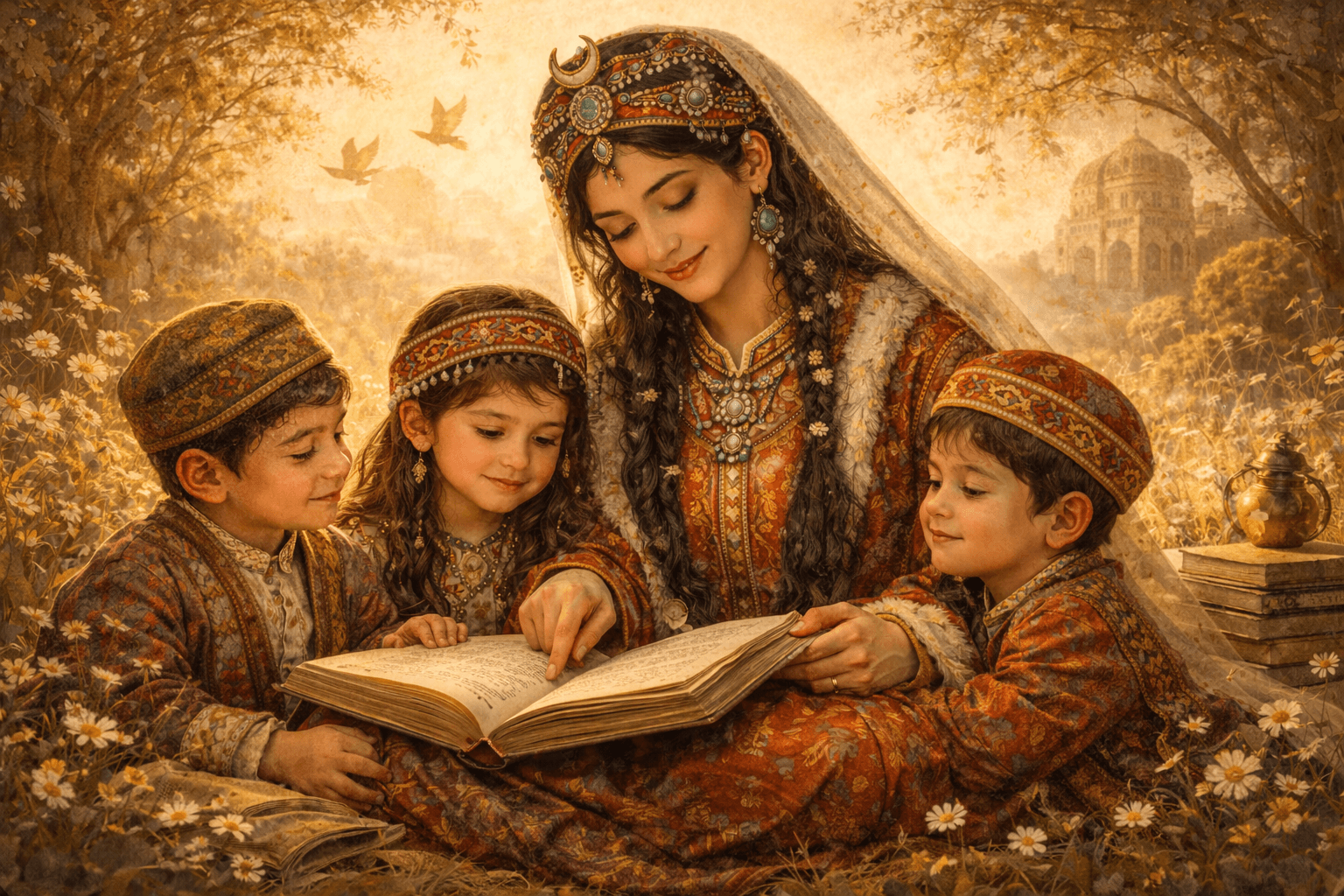
Mothers sing lullabies in many languages, yet children carry these songs throughout their lives with pride. These melodies never grow old because they are woven with a mother’s priceless love.
Children laugh in the same way and cry in the same way. It is mothers who first understand the meaning of both their laughter and their tears. We say Mother Nature because nature, like a mother, is generous, forgiving, and nurturing. We say Mother History because history teaches us that we reap what we sow—just as mothers warn us in advance to protect us. We say Mother Soil because the earth feeds us with fruit and harvest, and at the end of our lives takes us into its warm embrace. We say Mother Tongue because from the moment we babble our first sounds, we speak the language our mother speaks. And we say Motherland because the soil where our umbilical cord fell is our true home—a place that embraces us and whispers, “my child.”
The great statesman and commander Zahiriddin Muhammad Babur addressed his mother Qutlug‘ Nigorxonim as, “My Lady Mother.”
The famous Avar poet Rasul Gamzatov wrote that in his father Hamzat Tsadasa’s final moments, he said:
“Protect your mother—she is the light of our home.”
A mother is a fortress. She protects her home, her family, her children, and society from hardship—from harsh winds, war and conflict, hunger and cold. Eastern legends often say that those who have mothers do not grow old, and that a mother’s prayers shield her children.
Just as a person never has enough water, air, or bread, a person never has enough love. Kindness and compassion adorn life and give it meaning.
Read any book or watch any film, and you will see that the essence of human life is enriched by goodness, beauty, and happiness. When we speak of these unmatched virtues, the gentle faces of our mothers appear before our eyes.
Pure and warm like bread just pulled from a tandoor, like the warmth of a newborn child—our mothers were the first to draw the image of love onto the spotless white page of our hearts.
Everything has a beginning and an end. But a mother’s love has no end—it is limitless, unconditional and selfless.
Ask anyone on any continent:
“Who is the best person in the world?”
And you will hear the same answer:
“The best person in the world is my mother.”
May our love and respect always be laid like a carpet beneath the feet of our mothers—the bearers of humanity’s most precious and eternal values.
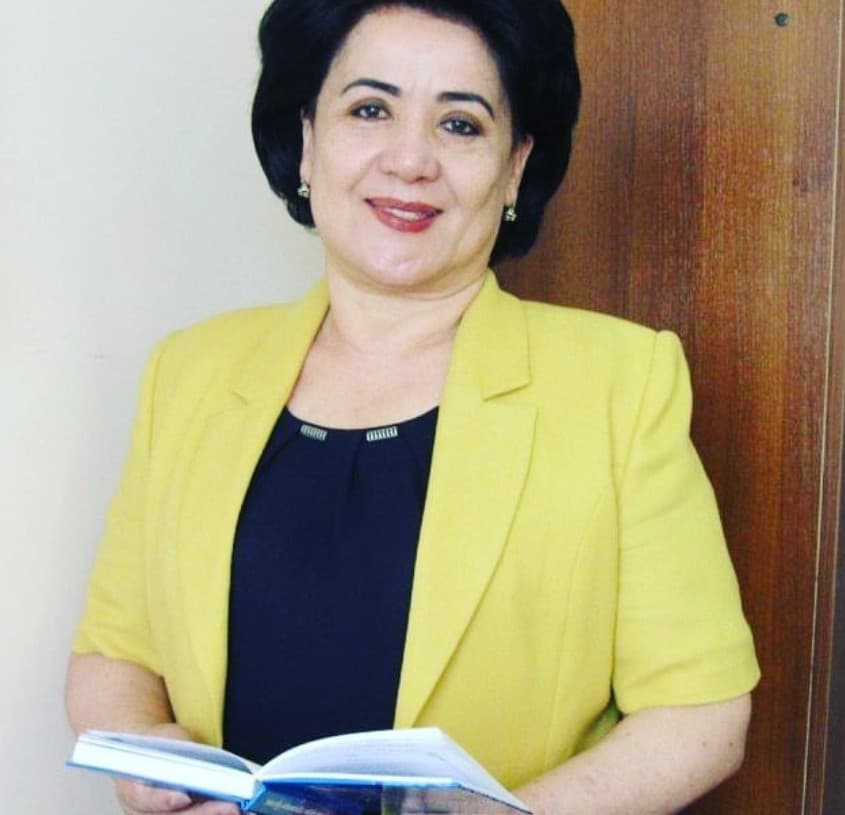
Sayyora Toychieva is a highly esteemed poet and scholar. A professor at the International Islamic Academy of Uzbekistan, she also serves as a member of the Writers’ Union of Uzbekistan.
Read more Words of Wisdom here.